CAGAYAN de Oro City— Who arranged the private jet, who was supposed to receive the 521 kilos of shabu, and who might have helped move the drugs into the Philippines? These are among the questions Philippine authorities must answer after the shipment was intercepted in Laos.
The Philippine Drug Enforcement Agency (PDEA) and the Philippine National Police (PNP) are investigating possible local links to the seizure at Luang Prabang International Airport on Oct. 1. The Philippine News Agency reported that the drugs were valued at about ₱3.54 billion and were believed to be headed for the Philippines.
PDEA Director General Isagani Nerez identified the Filipino passenger detained in Laos as Dibaroson Fahad, reportedly a resident of Marawi City. Nerez said investigators were working to identify his alleged accomplices in the country and build cases against those who may have been involved.
Investigators are also pursuing a man identified only by the alias “Boyet,” whom Nerez said allegedly arranged Fahad’s travel and the charter flight. According to the PDEA chief, the man had left for Hong Kong before authorities learned Fahad’s identity. These allegations remain under investigation.
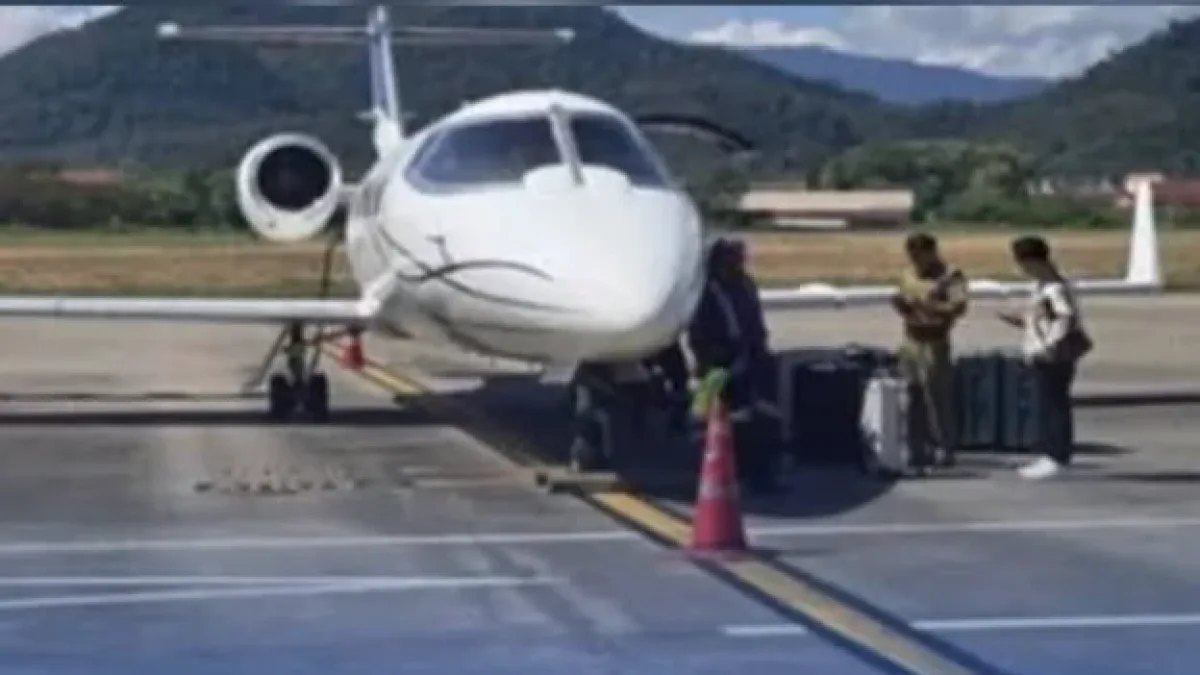
The private Learjet 55B, registered as N73GP, flew from Sultan Abdul Aziz Shah Airport in Subang, Malaysia, to Luang Prabang.
Malaysian police said the flight was booked for US$49,500, with the intended route continuing to Manila and the cargo declared as vape products.
The case has also raised questions about how the shipment was supposed to be transported.
CGT Asia Limited, the company operating the aircraft, said Fahad boarded in Malaysia without luggage and told the crew he intended to collect 23 bags containing vape products in Laos.
The company said its crew refused to load the bags because of concerns about their number, the aircraft’s weight and balance, and possible lithium-battery hazards. It maintained that the luggage was not loaded onto the aircraft.
However, Lao police reports described 23 suitcases found during the operation, 21 of which contained 500 packages of crystal methamphetamine weighing 521 kilos.
Reconciling the accounts of the aircraft operator and Lao authorities is important to establishing exactly how the shipment was handled and who was involved.
Malaysian police said on Oct. 14 that their investigation had identified other people believed to be linked to the suspected syndicate, including a Filipino man described as a former pilot and a Filipino woman suspected of acting as a coordinator. Authorities have not established the criminal liability of everyone being investigated.
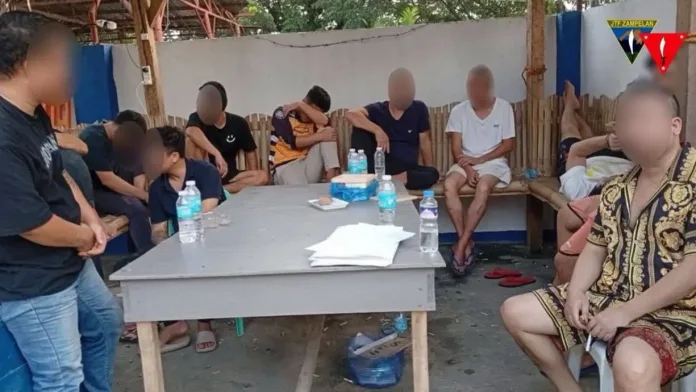
Thirteen people were detained by Lao authorities after the seizure, including the Filipino passenger, the flight crew and airport or ground-handling personnel.
Four people arrested separately in Malaysia were later released after giving statements and cooperating with investigators, according to earlier Malaysian reports. Detention or questioning does not, by itself, establish guilt.
The PNP has said it is coordinating with PDEA and foreign law enforcement agencies to determine whether any people in the Philippines helped organize or facilitate the shipment.
PNP spokesperson Col. Allen Rae Co said local authorities must establish whether there are accomplices within their jurisdiction before deciding what further action is warranted.
For the public, the most important questions now concern accountability: Who financed and organized the operation? Where was the shipment supposed to go after reaching Manila? Were local individuals or businesses involved, and what evidence supports those links?
The seizure prevented the shipment from reaching its reported destination, but it does not end the investigation.
Authorities still need to establish the chain of responsibility, corroborate the allegations and pursue evidence against anyone found to have taken part.
The public should expect more than the announcement of a massive drug haul. The test is whether investigators can identify the people behind the operation, explain how it was supposed to work and bring evidence-based cases against those responsible—while ensuring that people are not treated as guilty before the evidence is tested.