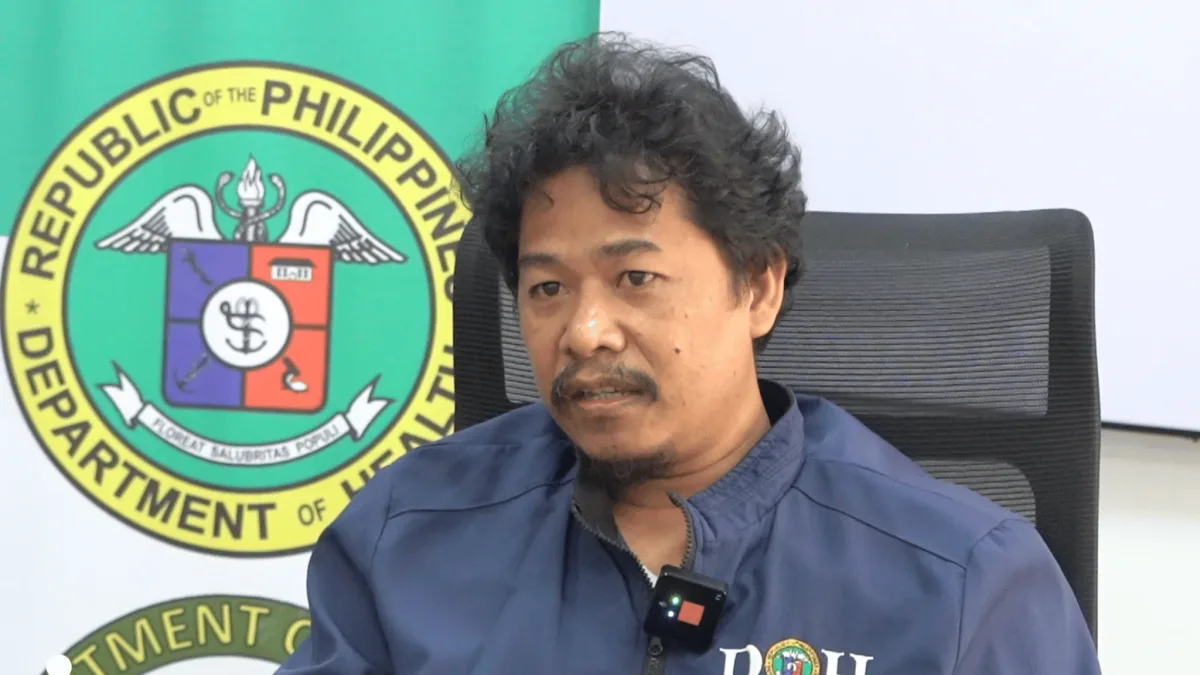
CAGAYAN de Oro City — About 63,000 patients in Northern Mindanao received financial assistance for inpatient and outpatient care through the Department of Health’s (DOH) Medical Assistance for Indigent and Financially Incapacitated Patients (MAIFIP) program during the first three quarters of 2026.
The assistance is intended to reduce the amount eligible patients have to pay for medical treatment, but coverage depends on program rules, available funds, and the patient’s circumstances.
Reymar T. Joromo, MAIFIP development management officer of the DOH Center for Health Development in Northern Mindanao, said assistance may cover medical and surgical procedures, laboratory and diagnostic tests, specialized facilities, and treatment for complex illnesses such as cancer and kidney disease.
It may also cover medicines, hospital and room charges, and doctors’ professional fees, subject to eligibility requirements and available funding.
The number of beneficiaries is lower than the roughly 77,000 patients who received MAIFIP assistance at 94 accredited public and private health facilities in Northern Mindanao in 2025.
The Department of Budget and Management allocated P27.4 billion under the 2026 national budget for MAIFIP implementation through DOH hospitals and Centers for Health Development nationwide.
The funding is part of the government’s effort to reduce patients’ out-of-pocket medical expenses, particularly among indigent and financially incapacitated patients.
For patients and their families, however, access to the assistance also depends on completing the required documents and securing approval under the program’s guidelines.
Joromo said the increased funding could help more patients seek treatment instead of delaying hospitalization because of financial concerns.
“Sa una kay dili man magpa-admit kay mahadlok nga walay ikabayad. Karon, ang pasyente, bisag naa la’y bation gamay, modiretso na sa mga partner hospitals nato. Dili na mahadlok mopa-admit tungod kay dili na nila ma-solo og bayad ang ilang hospital bill,” Joromo said.
(Previously, patients avoided hospitalization because they feared they could not afford it. Now, patients seek treatment earlier because they know they will not have to shoulder the entire hospital bill.)
For Minda G. Jaudian of Talakag, Bukidnon, the assistance made a direct difference in her family’s medical expenses.
Jaudian said MAIFIP covered more than half of the P32,000 hospital bill for her husband’s cataract surgery at a private hospital in Cagayan de Oro City.
“Nalipay gyud kaayo mi kay sa tinuod lang, lisod baya ang kinabuhi. Nakatabang gyud siya’g dako, mao gyud na akong gapasalamatan,” Jaudian said.
(We are really thankful because life has been difficult for us. The assistance was a big help, and I am grateful for it.)
Jaudian said she initially had doubts about the program but found the application process manageable.
“Wala ra sad ko naglisod kay diretso raman ko na-entertain. Wala sad silay kakuli ug wala mi gipabalik-balik,” she said.
(I did not have any trouble because I was attended to right away. There were no issues, and I did not have to make repeated trips.)
Patients seeking assistance, however, must meet documentary requirements.
These include the latest hospital bill, a social case study certifying the patient’s financial capacity, valid IDs of the patient and authorized representative, and an authorization letter when applicable.
Patients admitted to a private room because no ward space is available must also submit a doctor-signed justification letter.
Once the documents are verified and encoded, the DOH issues a Guarantee Letter or Endorsement Letter directly to the medical facility. The approved assistance is then deducted from the patient’s final hospital bill.
The process means MAIFIP can reduce the amount eligible patients need to pay, but it does not automatically cover every medical expense or every patient.
For families facing hospitalization, knowing the eligibility rules, preparing the required documents, and checking what expenses may be covered remain important steps in determining how much assistance they can actually receive. (With a report fro Gabriel D. Andres of PIA-10)