CAGAYAN de Oro City — Cagayan de Oro is putting hundreds of millions of pesos into healthcare.
But for ordinary Kagay-anons, the bigger question is not how much the city is spending.
Are they getting the healthcare services they are paying for?
The city’s 2026 budget allocated about ₱885 million for health, covering hospitals, community health facilities, medicines, personnel, disease prevention and other programs.
That is a major public investment.
But a budget is only a promise until it becomes medicine on the shelf, functioning equipment, available health workers, accessible laboratories and timely treatment.
63 years of public service
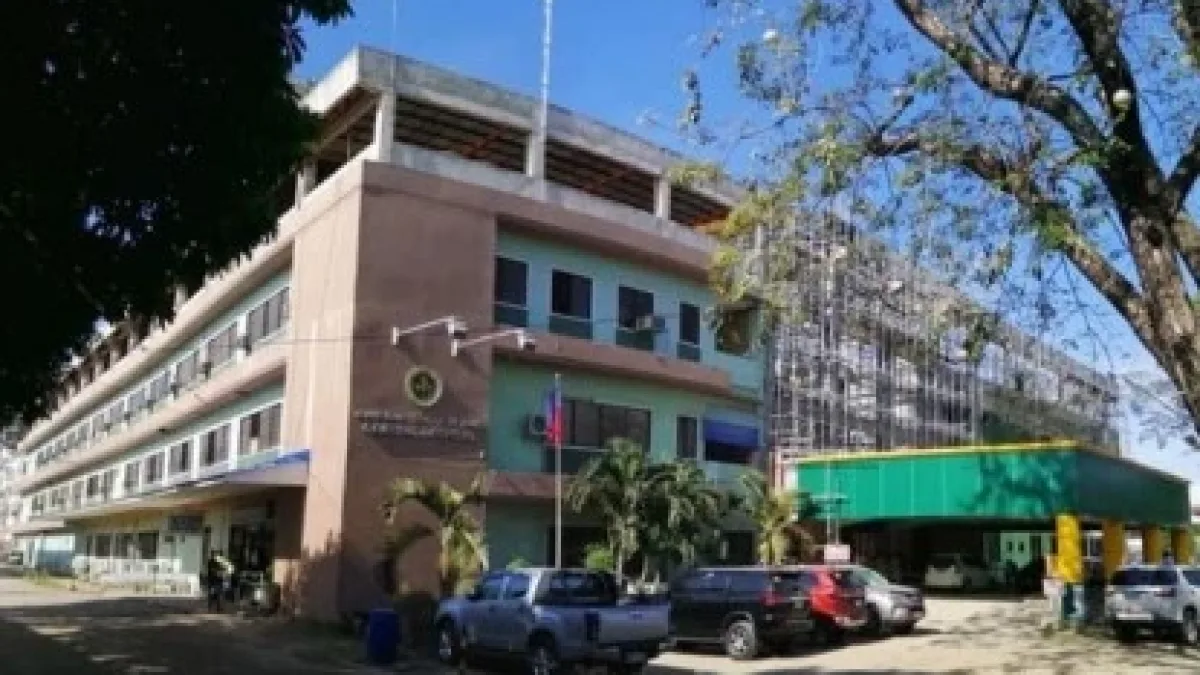
One of the most important institutions at the center of Cagayan de Oro's healthcare system is J.R. Borja General Hospital, which recently marked its 63rd founding anniversary.
For 63 years, the hospital has described itself as a steadfast partner in providing compassionate, accessible and responsive healthcare to the people of Cagayan de Oro and beyond.
Its anniversary theme, “Service Beyond Borders, Impact Without Limits,” reflects the hospital's long-running role in serving generations of Kagay-anons.
The milestone is worth recognizing.
But after 63 years of service—and with substantial public funds continuing to support healthcare—the public also has a right to ask how effectively those investments are translating into services.
The city has reported progress
The city government has pointed to improvements in its healthcare system.
In June, Mayor Rolando “Klarex” Uy reported that JR Borja General Hospital, the City Hospital in Lumbia and the City Hospital in Tablon were serving an average of 1,544 patients a month.
The city also reported a 118% bed occupancy rate, a 74% bed turnover rate and more than 444,000 patients benefiting from various laboratory procedures.
JR Borja General Hospital is a DOH-licensed 250-bed Level 2 hospital, with dialysis, CT-scan and other diagnostic capabilities.
The city has also expanded primary care, including a health center in Tablon offering consultations, pharmacy, laboratory and diagnostic services.
In 2026, the national government also provided nearly ₱99.46 million in medical equipment assistance for JR Borja.
These are significant investments and services.
But they do not answer the entire accountability question.
What are residents actually getting?
For taxpayers, the more important numbers are those that show what happens at the patient level.
How often do health centers run out of essential medicines?
How many patients receive treatment or medicines for free?
How long do residents wait for consultations, laboratory tests and procedures?
Do health centers have enough doctors, nurses and other health workers?
How much of the health budget was actually spent, obligated or left unused?
What equipment was purchased, where was it deployed and is it operational?
How many patients were referred elsewhere because a medicine, service, bed or equipment was unavailable?
And are residents in poorer or more remote barangays receiving the same quality of care as those closer to major hospitals?
These are not accusations.
They are accountability questions.
The barangay health center is the real test
The City Health Office is responsible for delivering preventive and frontline healthcare across Cagayan de Oro’s 80 barangays.
That makes the experience of residents at health centers just as important as the city government's investment in major hospitals.
For a parent bringing a sick child to a barangay health center, the size of the city budget means little if there is no doctor available or the needed medicine is out of stock.
For a senior citizen, a laboratory service that requires several trips across the city can mean additional transportation costs and lost time.
For a low-income family, the difference between receiving treatment locally and being referred to a private facility can mean hundreds or thousands of pesos.
This is where public spending becomes real—or fails to.
Show taxpayers the scorecard
The City Health Office has already conducted a Program Implementation Review examining grassroots healthcare delivery and budget utilization against health targets.
The next step should be to make the results easier for the public to see.
The city could publish a simple health scorecard showing, by facility:
Budget allocated and actually spent
Doctors, nurses and other health workers available
Medicines purchased and stock-outs
Patients served
Laboratory and diagnostic services delivered
Equipment purchased and operational
Average waiting times
Referrals and unavailable services
That would allow residents to judge whether the city's healthcare spending is translating into better services.
The real question
This is not about claiming that Cagayan de Oro's healthcare system is failing.
There are clear signs of investment, expansion and improvement.
J.R. Borja General Hospital's 63-year record of service is itself a testament to the city's long-standing commitment to public healthcare.
But accountability does not end when government spends the money.
It begins with showing taxpayers what that spending accomplished.
₱885 million is a big number.
For Kagay-anons, its real value should be measured in patients treated, medicines delivered, services made accessible and families protected from unnecessary healthcare costs.
So the question for City Hall is straightforward:
What did Kagay-anons actually get for the money?