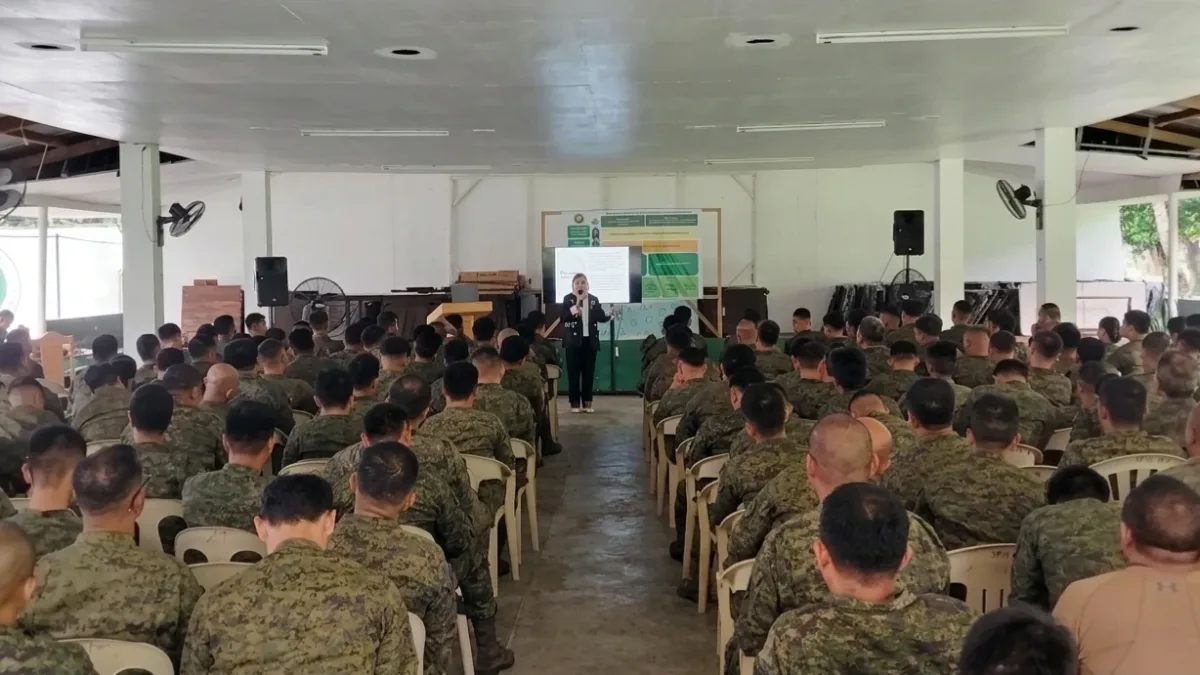
MALABANG, Lanao del Sur — Soldiers preparing to secure the upcoming Bangsamoro Autonomous Region in Muslim Mindanao (BARMM) elections are being trained not only to maintain peace but also to understand the communities they will serve.
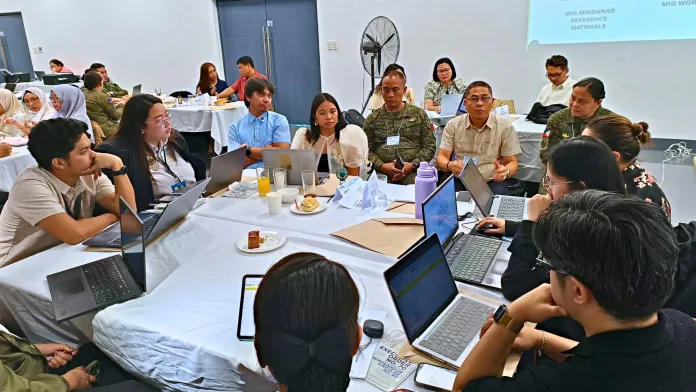
More than 200 personnel of the Philippine Army’s 28th Infantry Battalion, 10th Infantry Division joined a cultural-sensitivity orientation on Saturday, Aug. 8, at the headquarters of the 101st Infantry (Three Red Arrows) Brigade in Malabang.
The training focused on Meranao culture and Islam, giving troops practical guidance on how to interact respectfully with voters and community leaders during election security operations.
The BARMM elections are scheduled for Sept. 14, making community trust an important part of preparations, particularly in predominantly Meranao areas of Lanao del Sur.
Rasmila M. Cosain, senior education program specialist for social mobilization and networking of the Department of Education in Lanao del Norte, facilitated the seminar, titled “Knowing Meranao and Understanding Islam.”
She told troops that election security is not only about preventing violence or maintaining order. How soldiers treat people can also affect public confidence in the electoral process.
“Cultural sensitivity is not simply a courtesy. It is an operational advantage,” Cosain said.
Troops were introduced to important Meranao values, including maratabat, or honor and dignity; katatabanga, or mutual assistance; and the importance of family, clan ties, traditional leaders and religious figures.
Understanding these values, Cosain said, can help soldiers avoid misunderstandings and prevent minor tensions from escalating into wider community conflicts.
She also reminded troops that carrying out their duties firmly does not mean humiliating or disrespecting civilians.
“Firmness does not require humiliation,” she said, stressing professionalism, restraint and respect during security and law-enforcement duties.
What voters can expect
Troops were also briefed on Islamic practices that may affect their interactions with communities, including prayer schedules, religious gatherings, halal dietary requirements, appropriate attire and personal boundaries.
They were urged to avoid words or actions that could be perceived as disrespectful to religion, family lineage, cultural traditions or community identity.
The seminar also encouraged soldiers to coordinate with legitimate local stakeholders, including barangay officials, respected elders, traditional leaders and religious figures.
Such engagement can help security forces communicate better, address concerns early and prevent tensions from escalating.
Troops were likewise reminded to remain strictly politically neutral as they prepare for election duty.
Their mandate, the briefing stressed, is to protect voters, uphold the law, prevent violence and help provide a safe environment for everyone to exercise the right to vote.
Even simple acts of assistance—such as helping senior citizens, persons with disabilities, pregnant women and first-time voters—can help strengthen public trust in security personnel.
New troops need local understanding
Brig. Gen. Yasser R. Barra, commander of the 101st Infantry Brigade, said the orientation was particularly important for personnel encountering the local culture for the first time.
While the 28th Infantry Battalion has previously operated in the area, some of its personnel are new and need to become familiar with local customs and sensitivities, he said.
The brigade is also preparing to deploy two battalions to augment election security within its area of responsibility. One battalion has already arrived, with another expected to follow.
Beyond cultural preparation, the brigade has intensified its physical and operational preparations for the elections.
For 1st Lt. Mark Friam C. Obera, executive officer of Charlie Company, the seminar provided a better understanding of how soldiers should interact with the Meranao community.
Obera said it is his first assignment in a predominantly Muslim area, although his previous interactions with Muslim friends had given him some familiarity with Islam and its culture.
“Islam is peace. We are here, we are soldiers, we love also peace, kaya nandito kami para sa peaceful election,” he said.
The seminar ended with a simple reminder for troops:
Respect the people. Respect the culture. Respect the mission.
For voters in the Bangsamoro, the message underscores that election security is not only about military presence. It is also about ensuring that security personnel understand, respect and work with the communities they are assigned to protect.
As Cosain put it: “Your firearm protects lives. Your training protects peace. But your cultural understanding protects trust.”