CAGAYAN de Oro City — Bukidnon's growing coffee industry could become a bigger economic opportunity for farmers and investors as the Department of Agriculture in Northern Mindanao (DA-10) pushes for more investment in coffee processing and manufacturing.
The call comes as more coffee farmers in Bukidnon improve bean quality, increase production and gain access to larger markets through government and private-sector support.
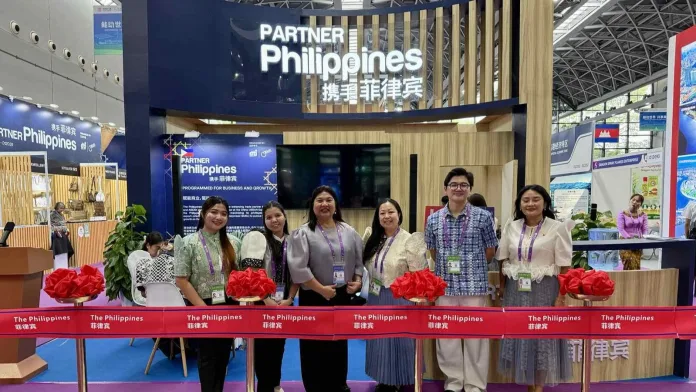
DA-10 Regional Executive Director Jose Apollo Y. Pacamalan identified coffee processing and manufacturing as one of Northern Mindanao's promising investment areas during the 35th Mindanao Business Conference at Limketkai Atrium in Cagayan de Oro City on Aug. 12.
For Bukidnon coffee farmers, the investment push could mean more opportunities to move beyond selling raw beans and earn more from processed coffee products.
A market waiting to be supplied
Pacamalan said Northern Mindanao has imported an average of about 25,100 metric tons of coffee annually over the past decade, indicating a substantial market that local producers and processors could help supply.
The gap presents an opportunity for provinces such as Bukidnon, where coffee production is expanding and farmers are already receiving support to improve quality and productivity.
“Instead of selling agricultural products primarily as raw materials, investments in processing could allow producers to capture more value from their harvests and connect them to larger domestic and international markets,” Pacamalan said.
This means investments could go beyond buying coffee beans. Processing facilities could support activities such as drying, hulling, roasting, grinding, packaging and other value-adding operations closer to production areas.
From farmers to value chains
Bukidnon's coffee sector has been gaining ground through the Rural Agro-Enterprise Partnership for Inclusive Development (RAPID) Growth Project, led by the Department of Trade and Industry (DTI) and the International Fund for Agricultural Development (IFAD).
Eight farmer groups and cooperatives in the province are currently part of the program.
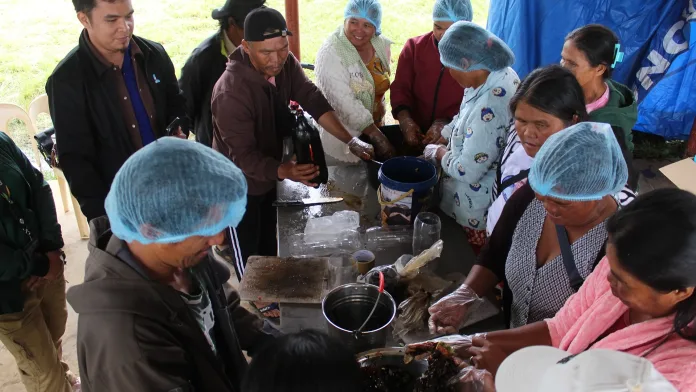
The project provides farmers with training, shared facilities and modern post-harvest equipment, including solar dryers and hulling machines. It also helps connect them with commercial buyers.
The support is designed to address a key challenge in agriculture: farmers may produce quality crops but still earn less when they have limited access to processing facilities and markets.
With more private investment, DA-10 sees an opportunity to strengthen that link—from farm production to processing, manufacturing and larger markets.
Why processing matters
For farmers, more processing capacity near coffee-producing communities could reduce the need to transport raw products to distant facilities and open additional income opportunities.
For investors, a stronger local supply base could provide opportunities to develop coffee products for supermarkets, cafés, hotels and institutional buyers, as well as potentially for export.
For consumers, a stronger local value chain could mean more Bukidnon-grown and processed coffee reaching Philippine markets.
Pacamalan said DA-10's broader investment strategy is to build stronger connections among producers, processors, markets and consumers.
“We need a strong and sustained partnership with the private sector, including international partners, one that transforms agricultural opportunities into viable investments, creates jobs, strengthens the value chain, and provides better markets and services for our partners and participants,” he said.
Investment beyond coffee
Coffee is part of a wider investment agenda being promoted by DA-10.
The agency is also seeking private-sector investments in post-harvest and processing facilities for rice, corn and high-value crops, as well as renewable energy, halal meat processing and digital agriculture.
But coffee stands out because of the existing market gap and Northern Mindanao's growing production base.
Pacamalan said the goal is not simply to increase agricultural output but to ensure farmers can participate in more stages of the value chain.
“These are not merely government programs. These are opportunities for partnership and investment,” he said.
What it means for Bukidnon farmers
Bukidnon's emerging coffee industry now has an opportunity to move from a raw commodity business toward a stronger local coffee economy.
With continued support for farmers and new investment in processing and manufacturing, more of the value generated by Bukidnon coffee could stay within farming communities—creating income, jobs and businesses while helping Northern Mindanao reduce its dependence on imported coffee.
For farmers already producing better beans, the next challenge is clear: build the facilities and markets that can turn those beans into higher-value products.