CAMIGUIN — Farmers, fishers, tourism workers and local businesses in Camiguin could face livelihood disruptions if a Very Strong El Niño brings prolonged dry conditions, prompting the provincial government to strengthen preparations across vulnerable sectors.
The provincial government is organizing an El Niño Task Group to monitor potential impacts, coordinate interventions and help protect residents' income sources and access to essential services.
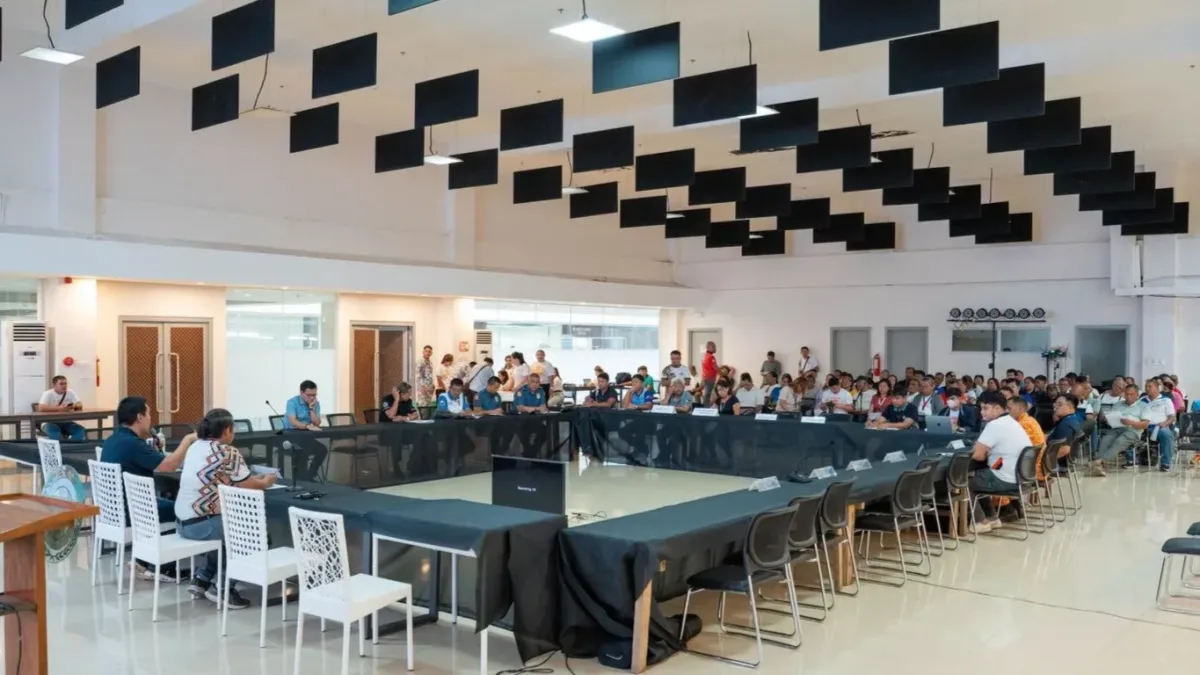
The preparations were discussed during a Special Provincial Disaster Risk Reduction and Management Council (PDRRMC) meeting on Nov. 5 at Hibok-Hibok Hall of the New Provincial Capitol in Lakas, Poblacion, Mambajao.
Gov. Xavier Jesus Romualdo and Rep. Jurdin Jesus Romualdo joined national government agencies, provincial and municipal offices, and other stakeholders in assessing possible risks and identifying needed interventions.
“Gitapok nato, kauban si Cong. JJ Romualdo, ang mga miyembro sa Provincial Disaster Risk Reduction and Management Council ug mga ahensya aron hisgutan ang mga nag-unang isyu ug pagpangandam batok sa posibleng epekto sa Very Strong El Niño,” Gov. Romualdo said.
(We gathered, together with Cong. JJ Romualdo, members of the Provincial Disaster Risk Reduction and Management Council, and various agencies to discuss key concerns and preparations against the possible effects of a Very Strong El Niño.)
The discussions covered possible threats to crop production, livestock and poultry, fisheries, aquaculture, tourism and local businesses, as well as water supply and other essential services.“We also discussed preparations to prevent or minimize El Niño-related damage,” Romualdo said.
Monitoring prices and livelihoods
Beyond disaster preparedness, government agencies are also looking at ways to maintain the supply of basic goods and help businesses and households cope with possible disruptions.
The Department of Trade and Industry (DTI) Camiguin, through OIC Provincial Director Angelo Devero, presented its regular Price and Supply Monitoring of Basic Necessities and Prime Commodities (BNPCs).
The monitoring tracks the availability and prices of essential goods to help identify potential supply problems and price changes that could affect household expenses.
Devero also presented the agency's Pangkabuhayan sa Pagbangon at Ginhawa (PPG) Program, which provides livelihood assistance to qualified individuals and communities whose income sources have been affected by calamities and disasters.
Residents whose livelihoods may be affected by natural hazards, including El Niño, may qualify for assistance under the program, subject to its eligibility requirements.
The Department of the Interior and Local Government (DILG) Camiguin, led by OIC Provincial Director Katherine Labiano, also joined the meeting to support coordination among local governments and national agencies.
Task group to oversee preparations
Romualdo said the proposed El Niño Task Group would ensure continuous monitoring and coordinated action as the province prepares for possible prolonged dry conditions.
The initiative aims to minimize damage to livelihoods, protect vulnerable communities and sustain economic activities.
However, the provincial government has yet to detail the task group's specific interventions, implementation timeline and available resources.
These details will be important in determining how quickly farmers, fishers, businesses, and other potentially affected residents can receive assistance if El Niño conditions worsen.