TO CUSHION the possible adverse effects of the coronavirus disease on the city of Iligan’s food security, the Department of Agriculture Region-10 increased its campaigns and programs on urban gardening.
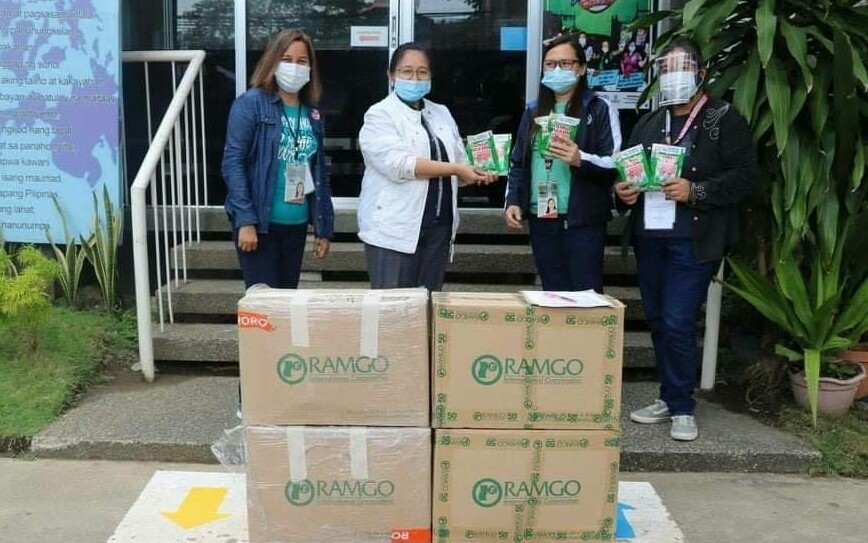
Even late last week, the department has turned over assorted vegetable seeds to the Sangguniang Panglungsod of Iligan City, as aligned with Secretary Dar’s aim towards sustainable food security.
Represented by the Department of Agriculture - Regional Field Office 10 (DA-RFO 10) regulatory division chief Juliet B. Araos turned over assorted vegetable seeds to SP Iligan as received by Kathleen V. Mantalaba.
Mantalaba received 250 packets of chopsuey (pechay, radish, carrots, cauliflower) and 250 packets of garden salad (lettuce, tomato, cucumber) seeds.
Mantalaba said they also have a program that advocates the natural way of farming for the benefit of all the Iliganon households in the urban areas.
“Program eyed to increase agricultural productivity, competitiveness and profitability amidst the country’s fight against the COVID-19 crisis,” said Mantalaba.
She said city councilor Rudolph Charles Tamula initiated a program dubbed as ‘Tatak Iliganon” to provide income generating activity and livelihood through seeds distribution to the Iliganons.
“Nakita namo nga pag start sa COVID-19 daghan na kaayo ganahan mag gardening, mao nag come up mi ani nga program para promotion napod sa food security,”said Mantalaba, adding they have also grabbed the opportunity of the assistance from DA.
“We are thankful for their (DA-10) immediate response to our request,” Mantalaba said.
She said they are also promoting Urban Container Gardening to those areas with limited spaces.
Importantly, they encouraged their members into gardening for their daily consumption and to sell surplus of their products to the local market.
The program of the Tatak Iliganon family in the Office of the City Councilor in Iligan has reached more than 3,000 online members up to date.Of which, they are also conducting weekly monitoring on the growth and development of the plants through photo documentation from their beneficiaries. (Angie Cabig and Irish Mae Juntahan/DA-10)