CAGAYAN de Oro City— Northern Mindanao families are being urged to start growing their own food and raising small livestock now as the region braces for a potentially strong El Niño by December 2026.
The Department of Agriculture in Northern Mindanao (DA-10) said backyard gardening and household-scale livestock raising could help families secure food and earn extra income if drought disrupts agricultural production.
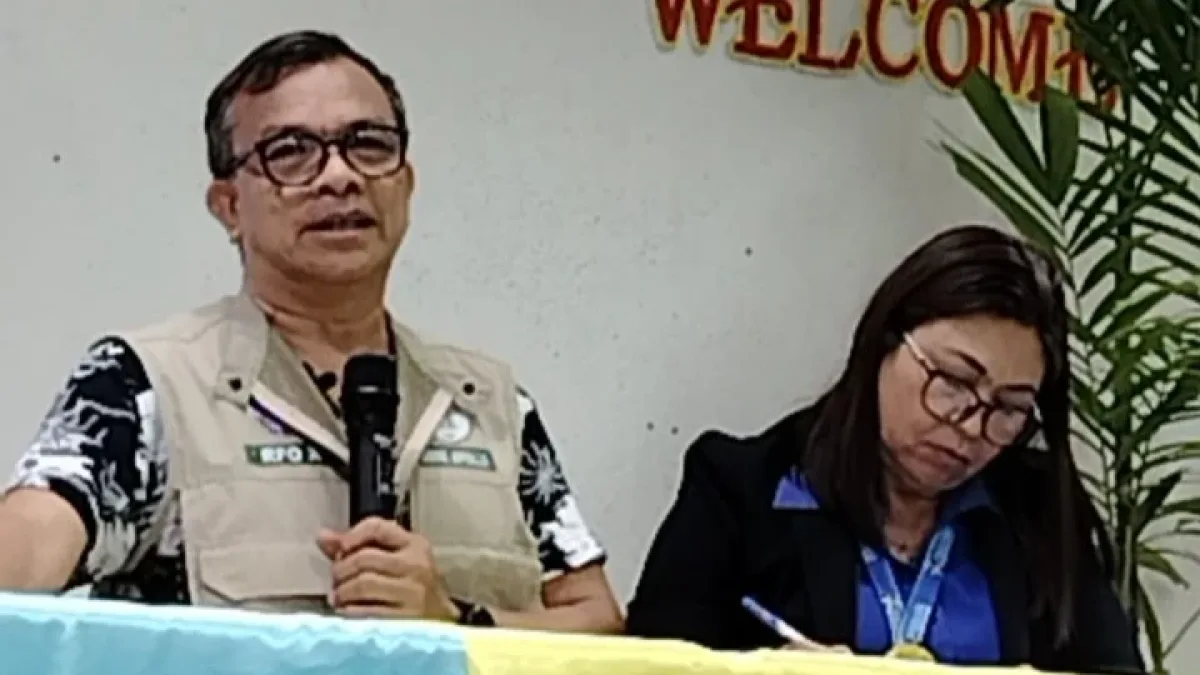
DA-10 Regional Executive Director Jose Apollo Pacamalan encouraged households with available space to raise animals such as goats, pigs and chickens.
“Gi-encourage namo ang gagmay nga household to start raising household-size nga livestock para ayuda sa ilang kaugalingon, either income or pagkaon,” Pacamalan said.
He also urged families, including those in urban communities, to grow vegetables in whatever space is available.
Among the crops recommended for backyard gardens are malunggay, tomatoes, eggplant and pechay.
“Katong walay mga tanom, tanom ug ginagmay pud,” Pacamalan said.
DA-10 is also offering technical assistance to households interested in setting up backyard gardens, including guidance on suitable crops and garden layouts.
“Kung naay gusto magpatan-aw sa ilang balay asa itanom, unsay porma, pwede magpa-support sa Department of Agriculture,” he said.
The agency's push comes as Northern Mindanao prepares for the possible worsening of dry conditions. Pacamalan said more than 92,000 hectares of agricultural land in the region could be affected by drought, with irrigation systems potentially unable to supply enough water for crops if conditions become severe.
PAGASA Northern Mindanao Chief Anianita Fortich meanwhile advised residents to conserve water and energy as the region prepares for prolonged dry conditions.
PAGASA said a strong El Niño is expected to develop by December 2026. Northern Mindanao is already experiencing meteorological drought, which could progress to hydrological drought if dry conditions continue.
For households, DA-10 said preparing early could mean having food closer to home—and another possible source of income—when water becomes scarce and farm production is affected.