CAGAYAN de Oro City — Farmers need timely, accurate information to prepare for possible drought and water shortages as the Department of Agriculture in Northern Mindanao trains communicators to deliver field reports and agricultural advisories faster.
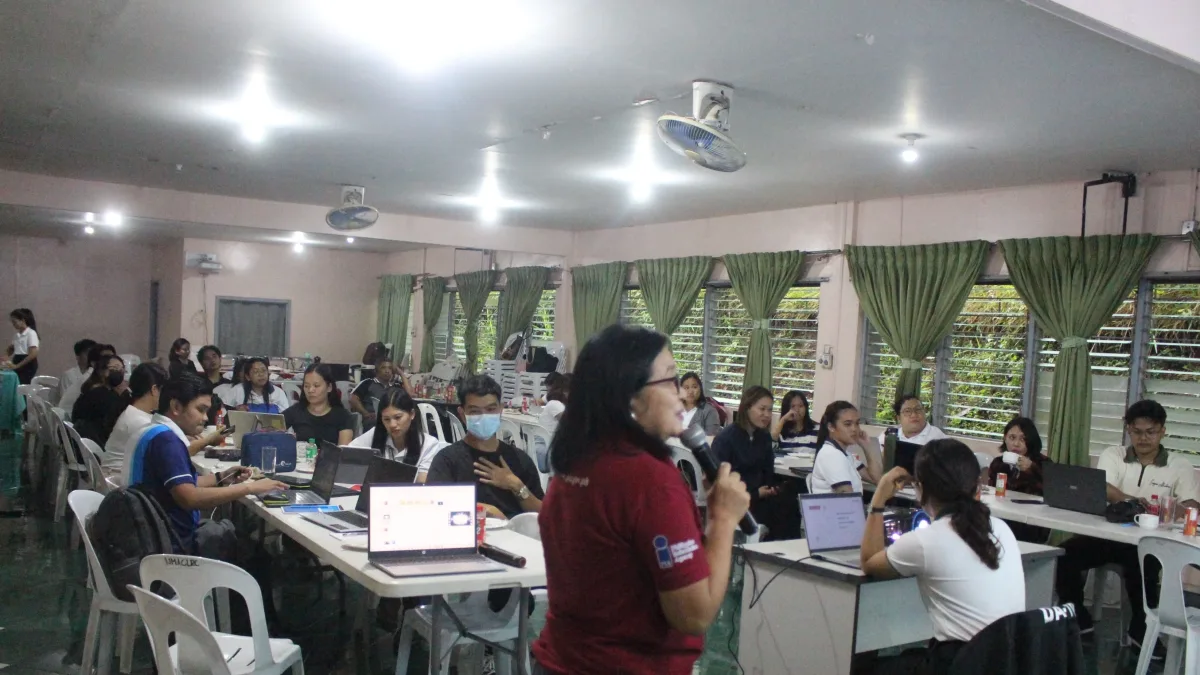
The Department of Agriculture–Regional Field Office 10 (DA-10) and the Philippine Information Agency (PIA)-10 held a two-day mobile journalism training on October 1–2 at the Northern Mindanao Agricultural Crops and Livestock Research Complex in Barangay Dalwangan, Malaybalay City, Bukidnon.
The training brought together information officers, media partners and department personnel to improve their ability to gather and share agricultural news using smartphones.
DA-10 Information Officer Mary Grace B. Sta. Elena said the training aimed to help communicators report developments from the field more quickly and bridge information gaps between government agriculture programs and rural communities.
Participants learned how to take photos and videos, conduct interviews, edit content and prepare reports using mobile devices.
These skills can help speed up the release of information on crop management, water conservation, market prices, government assistance and disaster alerts. However, faster reporting will benefit farmers only if the information is accurate, relevant and reaches the communities that need it.
“The two-day training builds mobile-ready communicators who can gather and share agricultural news directly from the field, speed up news gathering, deliver timely updates to farmers and other audiences, and bridge information gaps between government agriculture programs and rural farming communities,” Sta. Elena said.
Faster reporting must reach farmers
PIA-10 resource speaker Ruby Leonora Balistoy described mobile journalism as “the new, next, and normal” standard in public communication.
The training focused on practical storytelling and digital reporting, allowing participants to produce field updates without relying on bulky broadcast equipment.
DA-10 Regional Executive Director Jose Apollo Y. Pacamalan said mobile journalism could help agency communicators document farm activities and developments while working outside their offices.
“Mobile reporting helps our personnel gather and share accurate field reports faster, so farmers and the public can get timely updates on market prices, technical advice, agriculture programs and disaster alerts,” Pacamalan said.
The training comes as authorities and farming communities prepare for possible El Niño-related impacts, including reduced rainfall, water shortages and risks to agricultural production.
But training communicators is only one part of preparedness. Farmers also need clear, timely and actionable advisories, including information on local weather conditions, water availability, crop protection measures and where to seek assistance.
The effectiveness of the initiative will depend on how well these reports reach farmers, particularly those in remote communities with limited internet access.
DA-10 and PIA-10 have positioned mobile journalism as a way to improve the speed and reach of public information. Whether it translates into better preparedness will depend on the quality of the reports and how effectively agencies turn information into practical guidance for farming communities. (With a report from Alyssa Faye F. Rallos/PIA-10/Bukidnon)