CAGAYAN DE ORO CITY - Seafood lovers across Northern Mindanao may have Lanao del Norte to thank for much of what lands on their tables.
The province produced 45,473 metric tons of fish and other seafood in 2025, accounting for 61.1% of Northern Mindanao’s total catch and exceeding the combined output of the region’s other four provinces.
The province’s production also climbed 15.36% from 39,419 metric tons in 2024, according to fisheries data.
Ocean catch, fish farms fuel growth
Most of the increase came from marine fishing and aquaculture.
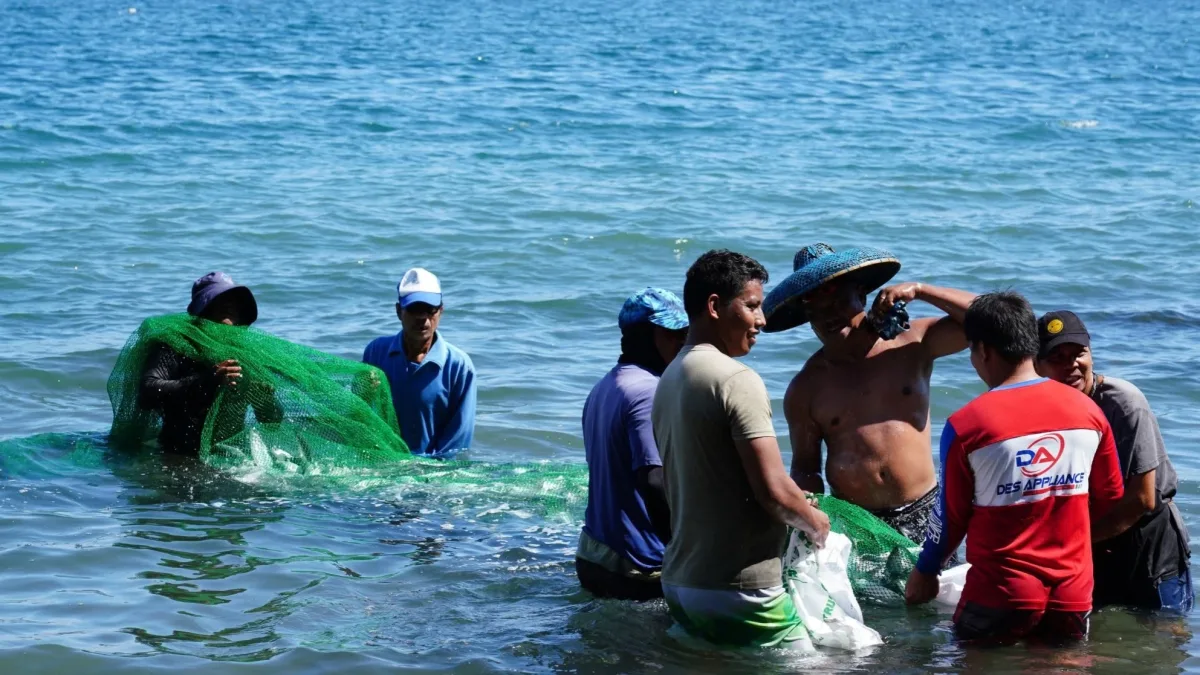
Small coastal boats accounted for 26,149 metric tons, up 18.87% from the previous year and representing 62% of the region’s small-boat catch.
Commercial fishing vessels contributed another 11,537 metric tons, an 18.05% increase and equivalent to 73.4% of Northern Mindanao’s commercial catch.
Fish ponds and cages produced 6,722 metric tons, up 5.48% and making up 52.3% of the region’s farmed fish production.
Among the province’s biggest catches were sardines or tamban (8,192 tons), squid or pusit (8,044 tons), and farmed milkfish or bangus (8,013 tons).
The growing aquaculture industry is also helping keep fresh seafood moving to major markets in Cagayan de Oro, Iligan and Valencia.
Among those expanding production is the Linamon Farmers and Fisherfolk Agriculture Cooperative, which is increasing its fish cage operations to meet market demand.
Freshwater fishing declines
Not all sectors grew.
Freshwater fishing was the only major segment to post a decline, with production falling 16.46%, from 1,276 metric tons in 2024 to 1,066 metric tons in 2025.
Fishers and local residents cited river pollution, siltation and the shift of workers to better-paying marine fishing and aquaculture jobs as possible factors behind the decline.
Protecting the catch
With marine production rising, protecting fish stocks is becoming increasingly important.
The government is funding a ₱3-million project to restore fish sanctuaries in Kapatagan, Tubod and Sultan Naga Dimaporo.
But producing more fish is only part of the challenge. Local leaders also see the need for ice plants, cold storage facilities and fish-processing projects to reduce spoilage, extend shelf life and help keep seafood prices stable.
For consumers across Northern Mindanao, the province’s record catch means a stronger seafood supply—but sustaining it will depend on protecting fishing grounds and building the facilities needed to get the catch from the water to the market while it is still fresh.