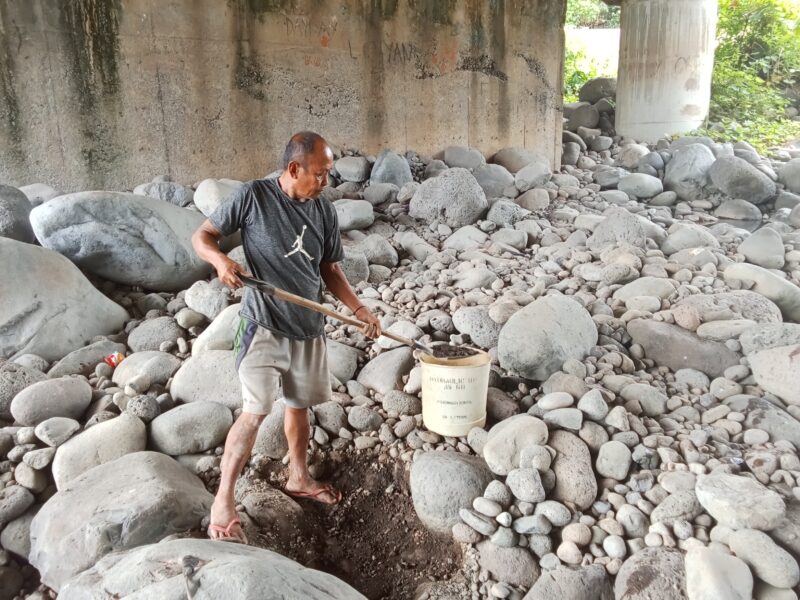
THE ‘Pala pala,’ a small-scale quarrying activity, is a crucial income source for residents along the rivers of Misamis Oriental, according to Provincial Local Environment and Natural Resources Office (Plenro) Head Engr. Rene Guingguing.
The operation is expected to boost future revenue from sand and gravel collection in the province.
Despite its economic benefits, Engr. Guingguing acknowledged that ‘Pala pala’ remains illegal.
However, Governor Peter Unabia has permitted its continuation, recognizing the difficult conditions faced by local communities relying on this livelihood.
Engr. Guingguing urged local barangays to form cooperatives to facilitate the legalization of quarrying operations through official permits.
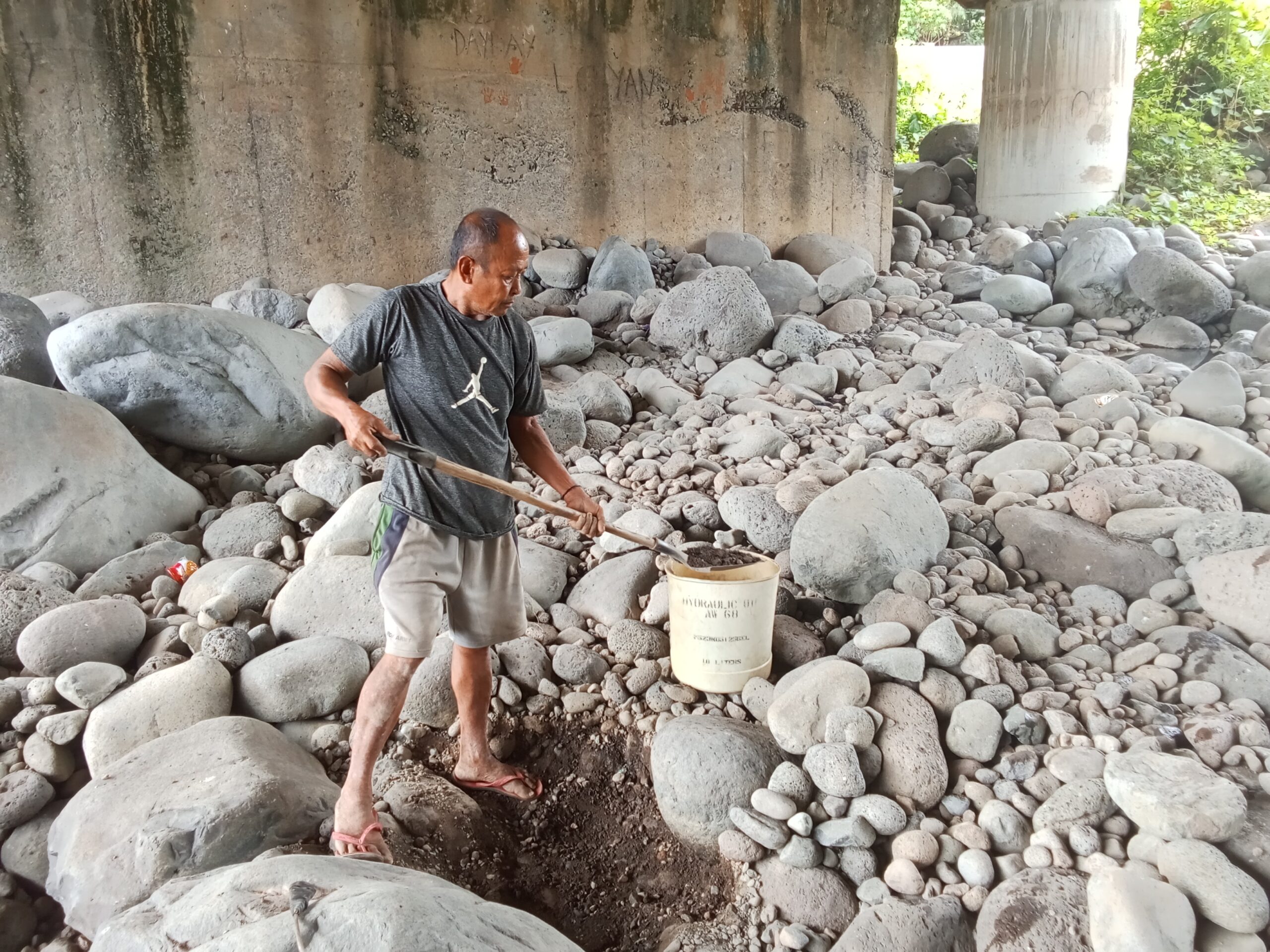
Gov. Unabia also supports the organization of ‘Pala pala’ activities across the province to ensure adequate support for these communities.
Legalizing the operations through cooperatives would not only help secure livelihoods but also contribute to the province’s income, which has already surpassed P70 million in sand and gravel revenue as of July, with a target of P100 million for the year, Guingguing said.
The initiative also aims to protect the streams from environmental degradation.
Talisayan Mayor Rommel Maslog pointed out the importance of ‘Pala pala’ for poor riverine residents and echoed the call for cooperative organization.
Under former Governor Yevgeny Vincente Emano, now the Misamis Oriental 2nd District Representative, ‘Pala pala’ operations were permitted. Unabia temporarily suspended the activity upon taking office in 2022, but later allowed it to resume.
Engr. Guingguing noted that so far, only two cooperatives have been established in the province’s second district.