IN AN ATTEMPT to cushion the possible adverse effects of the new coronavirus disease on the country’s food security, the Department of Agriculture (DA) in Northern Mindanao said it would intensify campaigns and programs on urban gardening.
The move is to ensure stable food supply through its Plant, Plant, Plant program, or “Ahon Lahat, Pagkaing Sapat (ALPAS) Laban sa Covid-19", expanding its partnership to a secondary school.
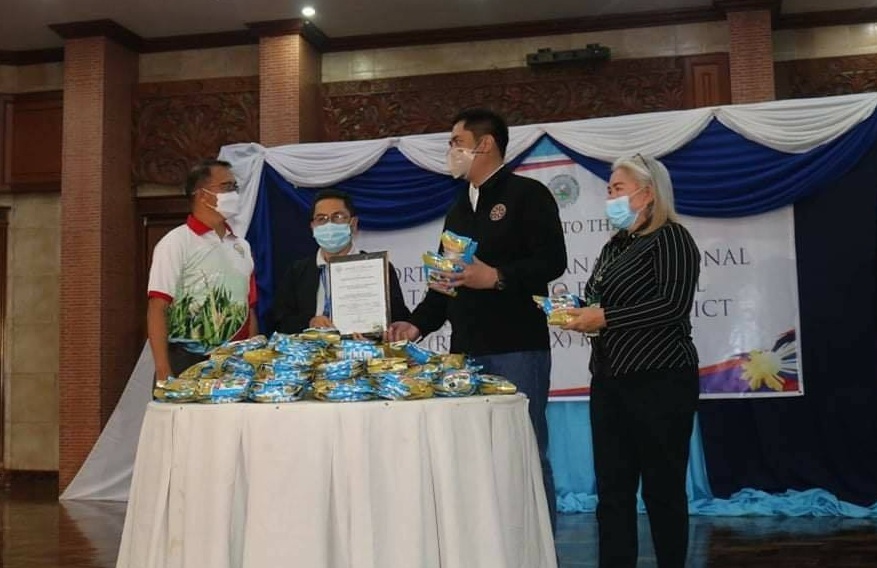
On September 3, Regional Executive Director Carlene C. Collado with Regional Technical Director for Operations Carlota S. Madriaga of DA-RFO 10 turned over 450 packs of vegetable seeds worth P58,000 to the Presidential Communications Operations Office (PCOO) Secretary and Cabinet Officer for Regional Development and Security X (CORDS) Martin M. Andanar.
Said Agri input is intended for the students of the Misamis Oriental General Comprehensive High School (MOGCHS), during the Northern Mindanao Regional Task Force to End Local Communist Armed Conflict (RTF-ELCAC X) meeting, this city.
The assistance is in support of the 9,000 students for the school’s Brigada Eskwela.
Sec. Andanar noted, helping the students to plant ensures food security.
He underscored the Plant, Plant, Plant Program of DA thru Sec. William D. Dar, as one of the projects that must be always promoted.
“We must inform our public that the administration of Pres. Duterte walks the talk, including the regional offices, the AFP, that we do our share.”
Director Collado remarked, “We would like to encourage the students to plant. We should learn to grow our food, especially with the ongoing pandemic.”
He further shared, each pack of vegetable seeds contains ampalaya, eggplant, squash, okra, and site which can be planted in a 1,000 square meter area.
Aside from the agri input, Dir. Collado reported that DA has assisted the Philippine Army in assisting its implementation on civil-military operations.
Such intervention include machinery, rice, corn, and vegetable seeds for their operations and coordination in conflict-affected areas. (Angie T. Cabig)