CAGAYAN de Oro City — As lawmakers face questions over social assistance funds in the proposed ₱7.2-trillion national budget for 2027, government data show that crisis aid in Northern Mindanao and areas outside the region had reached ₱2.83 billion for 546,766 clients as of March 30, 2026.
The figures highlight the scale of public spending on assistance for people facing medical emergencies, funeral expenses and other crises. They also underscore the need for clear rules, transparent records and effective oversight to ensure that public funds reach people based on their needs.
The House of Representatives passed the proposed 2027 national budget on third and final reading on Oct. 12, with 282 votes in favor, 13 against and one abstention, according to a Rappler report.
Some lawmakers and civil society groups raised concerns that social assistance allocations could be vulnerable to political patronage, particularly with the 2028 national elections approaching.
“This budget is not people-centered. It is election-centered,” Rep. Leila de Lima said, as quoted in the report.
The criticism centers on whether assistance programs will be implemented according to transparent eligibility requirements and documented needs, or whether political considerations could influence who receives aid.
However, concerns about the proposed national budget do not establish that existing assistance programs have been used for political purposes.
Normin aid reaches over 546,000 clients
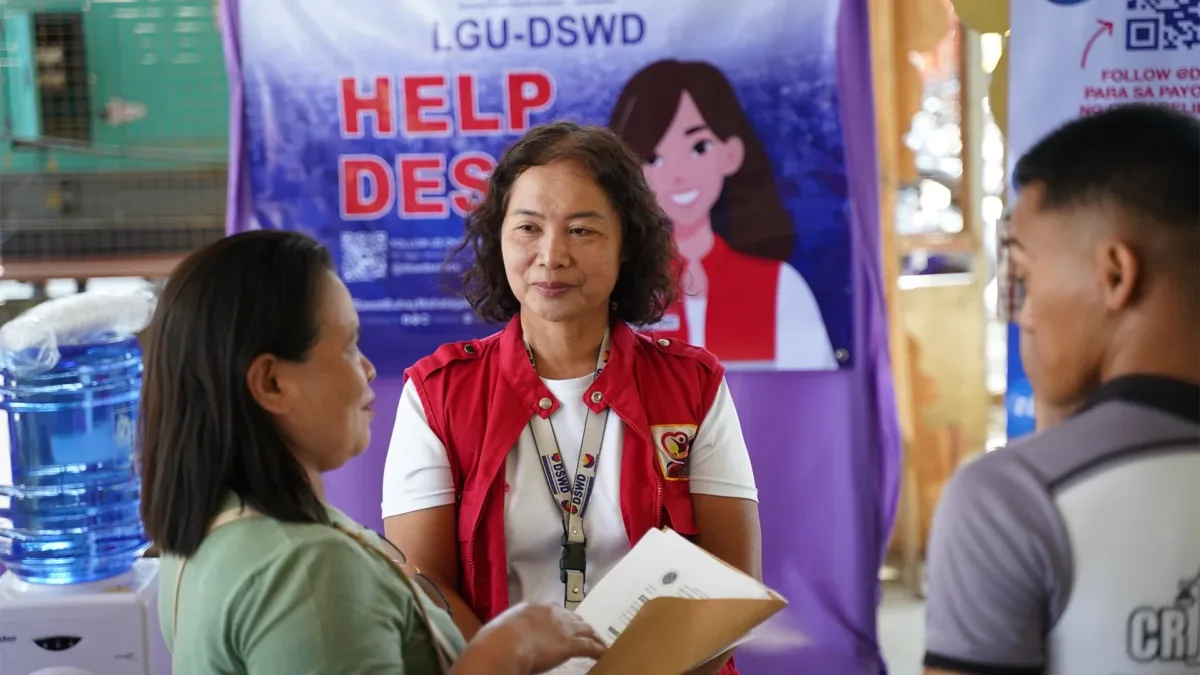
Data from the Department of Social Welfare and Development (DSWD) Field Office 10, provided by Irene Mae Dosol-Auxilio, information officer of its Protective Services Division, showed that ₱2,832,625,439.30 was disbursed to 546,766 clients under the Assistance to Individuals in Crisis Situations (AICS) program.
The figures, updated as of March 30, 2026, cover five provinces in Northern Mindanao and a separate category for clients from outside Region 10.
Bukidnon recorded the largest disbursement at ₱998.66 million for 206,795 clients, followed by Misamis Oriental with ₱974.84 million for 192,884 clients.
Lanao del Norte received ₱379.95 million for 66,699 clients, while Misamis Occidental recorded ₱171.60 million for 32,726 clients. Camiguin accounted for ₱154.58 million for 22,224 clients.
The category labeled “Other Region” recorded ₱152.99 million for 25,438 clients. The available data identify Lanao del Sur among the areas covered but do not provide a complete breakdown by province.
While these figures show the amount disbursed and the number of clients recorded, they do not establish whether the assistance was sufficient, how quickly beneficiaries received it or whether the reported count represents unique individuals or repeat transactions.
Clarification on these details would help the public better understand the program's reach and how its funds are being used.
Budget transparency under scrutiny
Aside from social assistance allocations, lawmakers also questioned transparency in the 2027 budget process.
Representatives Erice, San Fernando and Tiangco raised concerns about the handling of budget amendments. San Fernando questioned a reported executive session of the Budget Amendments Review Committee on Oct. 1.
Greater transparency in budget deliberations and amendments would allow the public to track proposed changes, identify the agencies and programs receiving funds, and understand the reasons behind spending decisions.
For assistance programs, public accountability also requires clear eligibility rules, reliable beneficiary records, accessible complaint mechanisms and regular reporting on how funds are distributed.
The proposed national budget's passage in the House does not, by itself, establish that social assistance funds will be misused. Nor do the Northern Mindanao disbursement figures prove that political patronage has occurred.
The remaining challenge is to ensure that the final budget and its implementation protect the purpose of public assistance: helping people in crisis based on their needs, with safeguards that prevent political influence and allow taxpayers to see where their money goes.