CAGAYAN de Oro City — Filipino Muslims planning to perform the 2027 Hajj should prepare for medical screening, online registration, travel documents and pilgrimage payments as the National Commission on Muslim Filipinos (NCMF) begins preparations for next year’s journey to Saudi Arabia.
The NCMF has a national allocation of 6,000 pilgrims for the 2027 pilgrimage, while Northern Mindanao typically sends around 400 to 500 pilgrims annually, NCMF-10 Director Dr. Abdulnasser P. Masorong Jr. said.
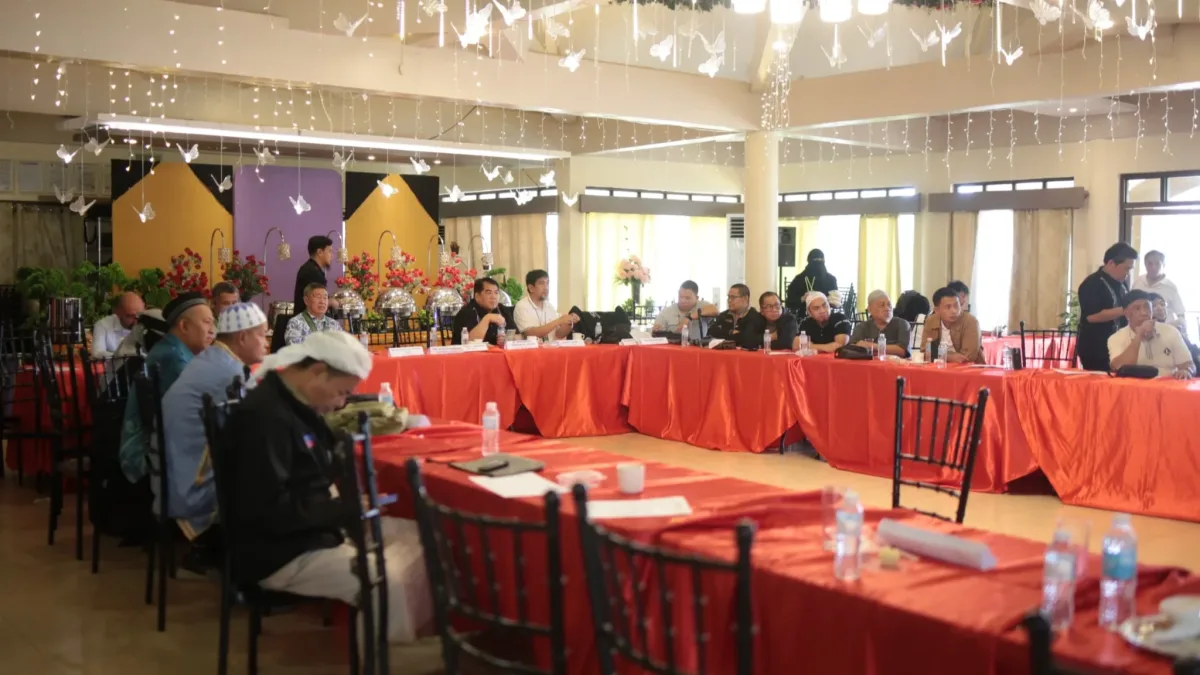
At a Hajj Stakeholders Conference on Oct. 12, the agency briefed accredited sheiks, partner banks and government agencies on registration, payment arrangements, medical requirements and travel preparations.
One major requirement is medical clearance. Masorong said Saudi Arabia requires health assessments and has medical conditions that may disqualify applicants from performing Hajj.
The NCMF plans to conduct preliminary screening, review applicants’ medical histories, require medical clearances and laboratory tests, and carry out in-person physical examinations.
The agency has yet to provide a detailed public list of disqualifying conditions in the information presented at the conference. Prospective pilgrims should confirm the latest medical requirements with NCMF before making non-refundable travel or other arrangements.
Registration and payment
Bureau of Pilgrimage and Endowment Director Zainoden M. Usudan said applicants must register online. Those needing assistance may visit NCMF regional offices and designated Hajj Regional Processing Centers.
After registering, applicants must obtain a payment order, settle the required amount at a bank and submit travel documents through regional processing centers for endorsement to the NCMF Central Office.
Usudan said preparations continue throughout the year, including accommodation arrangements and procurement activities in Saudi Arabia.
However, he also reported that airfare costs had increased compared with the previous year, citing higher fuel costs and developments in the Middle East as contributing factors.
The conference report did not specify the final 2027 pilgrimage package price, payment deadlines, registration cutoff or the amount of the airfare increase. These details are important for families planning their budgets and deciding whether they can afford the journey.
Safeguards for pilgrims
The conference also covered Philippine laws governing Hajj, Saudi regulations, travel documentation through the NUSUK MASAR digital platform, and pilgrims’ rights and responsibilities.
The NCMF also discussed the accountability of accredited sheiks, who help organize and guide pilgrims during the journey.
For prospective pilgrims, clear information on total costs, payment schedules, refund policies, medical eligibility and the responsibilities of accredited group leaders can help prevent confusion and protect them from unexpected expenses.
The NCMF’s briefing provides an overview of the preparations, but prospective pilgrims should seek confirmation of the latest official requirements and costs directly from the commission before paying or submitting documents.
(With a report from Lou Ellen L. Antonio/PIA-10/Lanao del Norte)