CAGAYAN de Oro City — As the Philippines moves closer to a framework deal for Pax Silica, a labor leader is pressing the government to answer a basic question: What will workers and communities actually gain from the project?
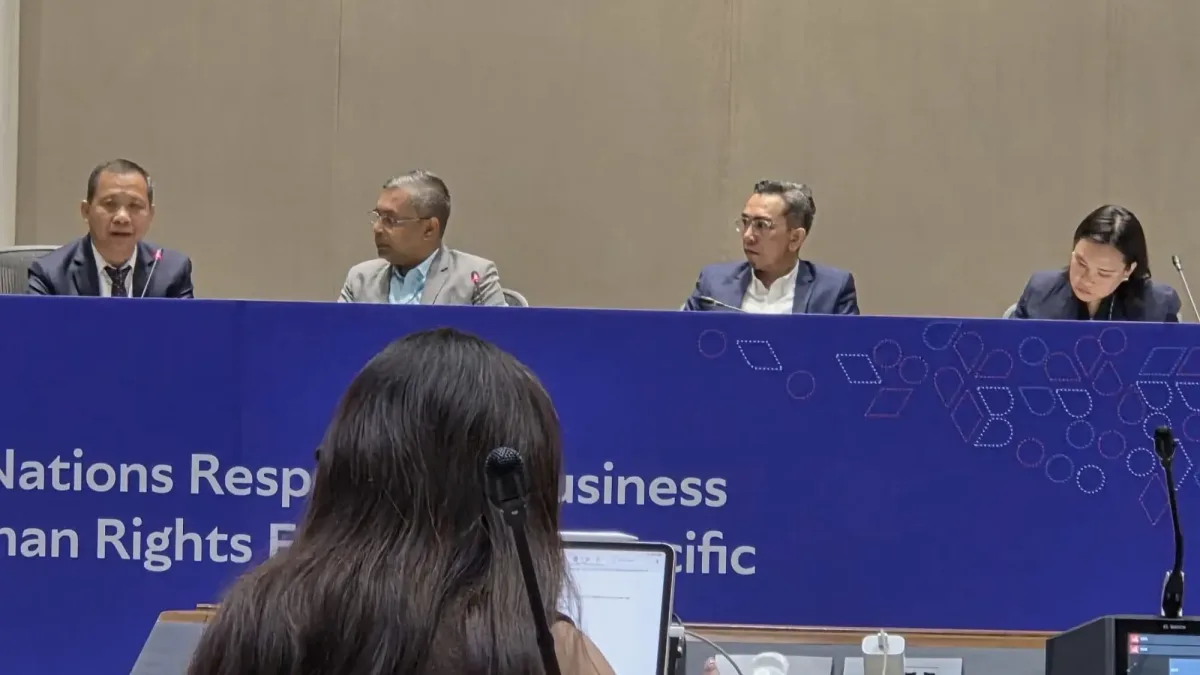
Federation of Free Workers (FFW) President Atty. Sonny Matula raised the issue at the United Nations Responsible Business and Human Rights Forum in Bangkok on Sept. 15, saying workers, farmers, Indigenous Peoples and affected communities should have a meaningful voice in trade and investment decisions.
His remarks come as the Bases Conversion and Development Authority and its US counterpart work on a master agreement for developments under the Philippines’ participation in Pax Silica.
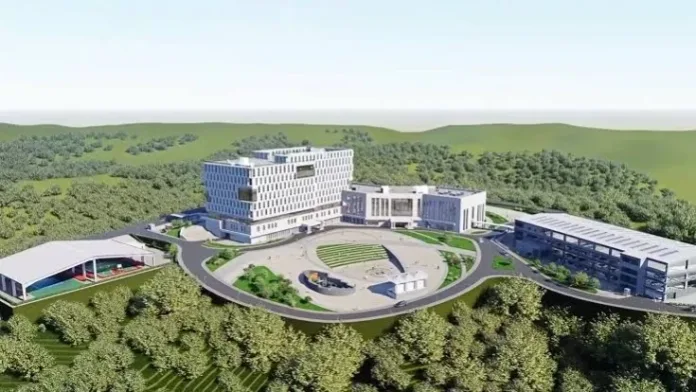
The agreement is expected to set the framework for the proposed high-tech manufacturing and economic security zone in New Clark City, Tarlac.
For Mindanao, the issue is not just about a project in Luzon.
The region is being eyed as a supplier of raw materials for the Pax Silica-linked technology supply chain. Mindanao Development Authority officials have said the region could provide nickel, copper, gold, silica and other minerals needed by advanced industries.
About 90% of Philippine nickel ore production comes from Mindanao, according to MinDA Assistant Secretary Romeo Montenegro. But much of the nickel ore produced in the region is shipped abroad, with Mindanao still lacking enough power infrastructure for more mineral processing and value-adding industries.
That raises a bigger question for Mindanao: Will the region remain a source of raw materials and labor, or will it gain a bigger share of the higher-value industries and jobs that Pax Silica promises?
A Davao City forum in August raised similar concerns, with groups warning that Mindanao could remain a supplier of raw materials and cheap labor instead of becoming a technology manufacturing base.
The government, however, says Pax Silica is intended to move the Philippines higher in the global technology value chain.
The BCDA has said the proposed development could generate more than 130,000 high-quality jobs and attract $40 billion to $70 billion in investments when fully developed. It also says the project will target advanced manufacturing rather than rely mainly on data centers.
The government has also assured the public that environmental, water, land and Indigenous Peoples’ concerns will be addressed under Philippine laws.
But promises of jobs and investment are not enough for labor groups.
Matula said workers must be involved from the negotiation stage, not merely informed after agreements have already been made. He called for enforceable labor protections, safe workplaces, freedom of association, collective bargaining, decent wages and effective remedies when workers’ rights are violated.
The FFW position also puts pressure on the government to make the terms of the emerging Pax Silica framework clearer before major commitments are made.
For Mindanao, the accountability questions are straightforward:
If the region supplies the minerals, where will the value-added processing happen?
How many decent, well-paid jobs will reach Mindanao workers?
What protections will cover mining communities, farmers and Indigenous Peoples?
Who will bear the environmental costs if mineral extraction expands?
And perhaps most importantly: Who gets a seat at the table before the decisions are made?
These questions matter because Pax Silica is no longer only a discussion about a proposed industrial hub in Luzon. Government officials themselves are looking at ways to connect Mindanao’s mineral resources to the initiative.
Matula said trade and investment should be a “race to the top,” not a race to attract business by offering cheaper labor or weaker protections.
The challenge for the Philippine government now is to show that the benefits promised by Pax Silica will reach beyond investors and strategic industries — and down to the workers, communities and resource-producing regions expected to support the supply chain.
For Mindanao, that means watching not only how much investment comes in, but also how much value, jobs and protection stay in the region.