CAGAYAN de Oro City — Three school shooting incidents involving minors in different parts of the country have renewed questions about firearm access, child protection and the responsibility of adults and institutions entrusted with guns.
The incidents—in Cagayan de Oro in 2020, Tacloban City in June 2026 and Zamboanga City in August 2026—were different in circumstance and outcome.
But they shared one disturbing element: minors gained access to firearms that were supposed to be under adult or institutional control.
In Cagayan de Oro, a 13-year-old Grade 7 student brought a real 9mm pistol to Oro Christian Grace School on Jan. 30, 2020, during a role-playing activity.
The firearm accidentally discharged, hitting a 13-year-old female classmate.
The weapon was traced to a government-issued firearm assigned to an Army lieutenant colonel of the 4th Infantry Division.
On June 22, 2026, two minors, aged 14 and 15, allegedly brought firearms to San Jose National High School in Tacloban City and opened fire. Three students were killed and others were wounded.
Authorities said one firearm was a 9mm Glock issued to a police officer, while another was a .38-caliber revolver registered to a security agency in Cebu City.
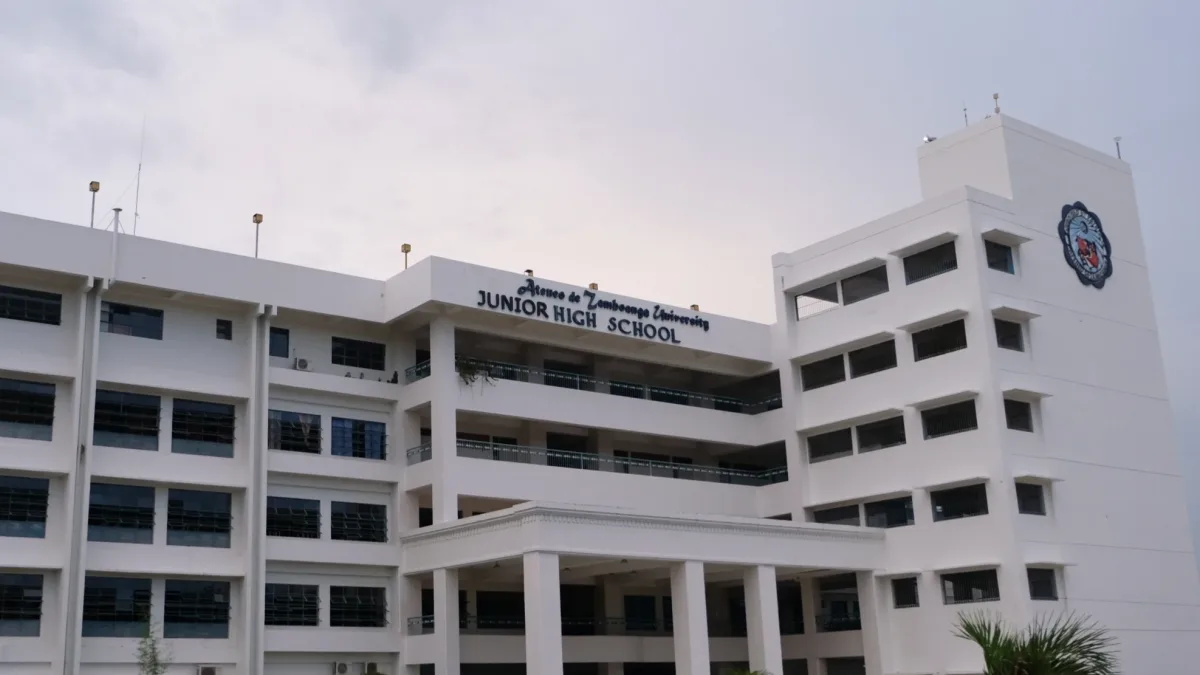
On Aug. 18, a Grade 9 student entered the Ateneo de Zamboanga University Junior High School campus armed with firearms and opened fire. Another student and the shooter were killed, while others were injured.
Authorities later confirmed that one recovered firearm had been issued by the Bureau of Customs and was connected to the student's father, a Customs official.
The bureau ordered the official's preventive suspension while the circumstances surrounding the firearm were investigated.
The three cases cannot be treated as identical. The Cagayan de Oro case involved an accidental discharge, while the Tacloban and Zamboanga shootings involved deliberate attacks.
Still, the cases raise a common public-safety question: How can firearms legally entrusted to adults or institutions become accessible to children?
The issue is not limited to gun ownership.
School violence is complex and rarely has one cause, one explanation or one solution, according to the Psychological Association of the Philippines (PAP).
The group said prevention requires shared responsibility among families, schools, communities, mental health professionals, child protection systems, institutions and policymakers.
It also urged the public to respond responsibly after violent incidents by avoiding the spread of graphic images, unverified information, rumors and speculation.
For families affected by the shootings, the immediate need goes beyond public debate.
They need safety, care and compassion as they deal with loss, injury and trauma.
The broader challenge is preventing another child from becoming a victim—or gaining access to a weapon in the first place.