CAGAYAN de Oro City - Workers and farmers could face mounting pressure on their incomes and livelihoods as El Niño threatens water supplies and agricultural production, prompting the Workers’ and Peasants’ Party (WPP) to call for urgent talks among the government, labor, and employers.
In a press statement issued Oct. 23, the WPP urged the Department of Labor and Employment (DOLE) to convene the National Tripartite Industrial Peace Council to develop measures protecting workers, farmers and their families from the weather phenomenon’s potential effects.
The party cited the Philippine Atmospheric, Geophysical and Astronomical Services Administration’s Oct. 7 assessment, which it said warned of a strong to very strong El Niño that could peak before the end of 2026 and persist into the first half of 2027.
Local impacts may vary, but the WPP said preparations should begin now, particularly in areas vulnerable to water shortages, heat and agricultural losses.
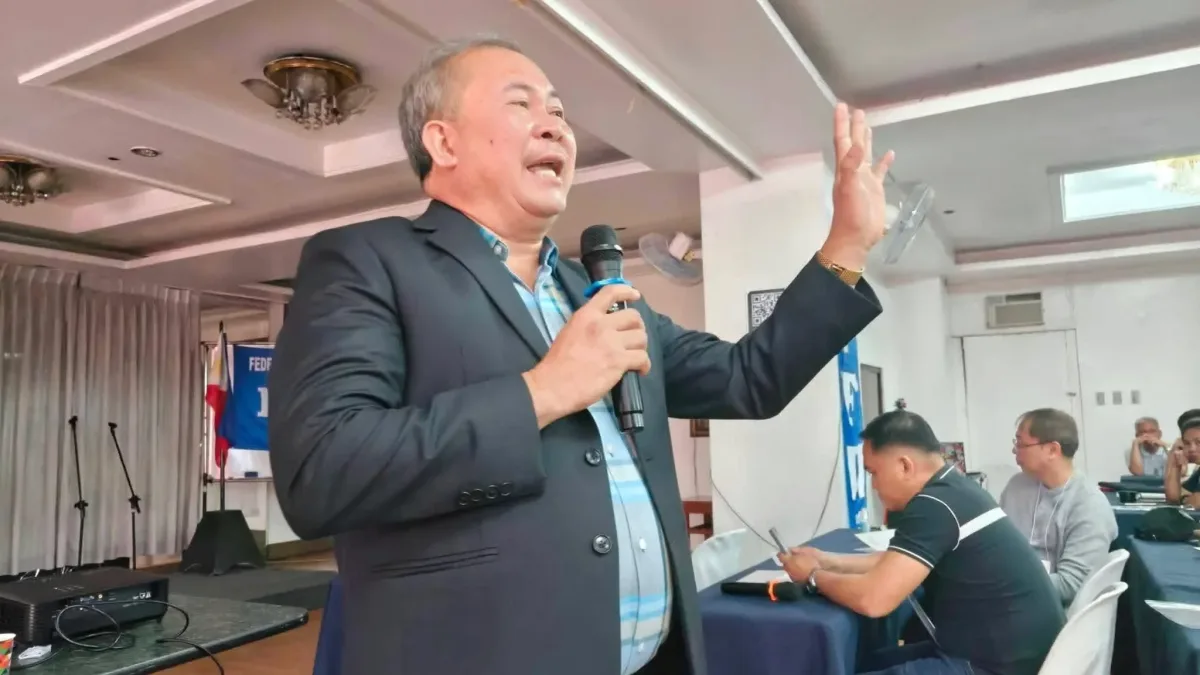
“We cannot stop El Niño, but we can prevent workers and farmers from bearing the full cost of the damage,” WPP Secretary General Atty. Allan S. Montaño said.
He said preparations should cover not only water supplies but also jobs, wages, harvests and food security.
The proposed tripartite meeting would bring together government representatives, workers and employers to agree on an action plan with clear responsibilities, deadlines and monitoring.
The WPP also called for coordination with PAGASA, agricultural and irrigation agencies, local governments and farmers’ organizations.
Among its recommendations is stronger protection for workers exposed to excessive heat, including drinking water, adequate ventilation, shaded or cool rest areas and appropriate breaks. Work schedules and workloads should be adjusted to actual heat conditions in consultation with workers and unions, the party said.
It also urged authorities to ensure adequate water for households and farms through leak repairs, contingency supplies and fair irrigation schedules that consider both essential household needs and small farmers.
For farmers, the WPP proposed location-specific planting advice, suitable seeds, irrigation support and accessible crop insurance before losses occur.
The party also called for emergency assistance for affected workers and farmers, closer monitoring of food prices and supplies, and support for farm-to-market distribution. It urged authorities to act against unlawful hoarding and profiteering.
Other proposals include paid public employment for irrigation repairs, watershed rehabilitation and community water-storage projects.