CAGAYAN de Oro City — More than 11,352 drug cases remained pending in Northern Mindanao as of the third quarter of 2026, even as prosecutors secured 1,244 convictions and filed 1,580 cases in court during the first nine months of the year.
The figures highlight the continuing workload facing prosecutors and the need to ensure that drug cases are resolved without unnecessary delays, particularly in areas with the highest backlogs.
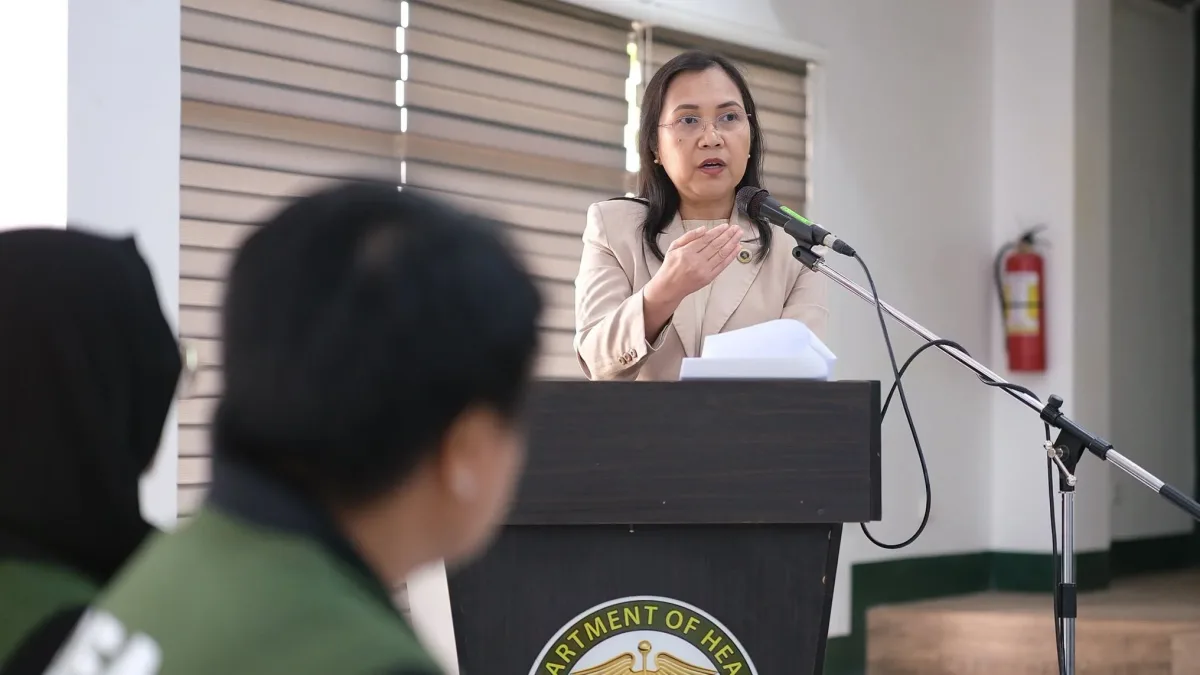
Regional Prosecutor Merlynn Barola-Uy of the Department of Justice Regional Prosecution Office 10 presented the figures during the Oct. 13 meeting of the Regional Inter-Agency Committee on Anti-Illegal Drugs Coordinating Group 10 (RICG-10) at the Department of Health regional office in Cagayan de Oro City.
Cagayan de Oro City had the highest number of pending drug cases, followed by Bukidnon and Iligan City, according to the regional prosecution office.
Barola-Uy also reported 10 case dismissals due to witnesses failing to appear in court.
“We have 10 dismissals due to the non-appearance of our witnesses, so this is beyond the control of the prosecution,” she said.
The dismissals underscore how the absence of witnesses can affect the prosecution of drug cases.
The figures, however, did not specify the circumstances behind the witnesses’ non-appearance or the measures being taken to prevent similar dismissals.
948 cases resolved through plea bargaining
From January to September, prosecutors also recorded 948 drug cases terminated through plea bargaining, including 205 in Cagayan de Oro City, 179 in Bukidnon and 137 in Lanao del Norte.
Barola-Uy said some cases initially filed under Section 5, which covers the sale, trading, administration, dispensing, delivery, distribution and transportation of dangerous drugs, and Section 11, which covers possession, were later resolved through plea bargaining involving Section 12 of Republic Act 9165, or the Comprehensive Dangerous Drugs Act of 2002.
The prosecution office also recorded 72 appeals and two archived cases during the period.
Plea bargaining allows an accused to plead guilty to a lesser offense under applicable rules and court approval. Its use in drug cases has been governed by Supreme Court rules and jurisprudence.
The reported figures did not specify how many of the 948 cases resulted in convictions for lesser offenses, how long pending cases had been in court, or how many cases were resolved overall relative to the existing backlog.
These details would help the public assess whether the region is making sustained progress in resolving drug cases and what challenges continue to delay proceedings.
Agencies urged to strengthen coordination
RICG-10 Chairperson and Philippine Drug Enforcement Agency Region 10 Assistant Regional Director Mary Leslie Sharon D. Maquilang said coordination among government agencies remained important in addressing illegal drugs.
“This gathering reaffirms our shared commitment to strengthen inter-agency coordination, promote information sharing, and take decisive action against illegal drugs,” Maquilang said.
She urged participating agencies to turn their discussions into concrete measures and strengthen partnerships to protect communities across Northern Mindanao.
The reported figures show both convictions secured and cases still awaiting resolution. Further details on the age of pending cases, court delays, witness-related dismissals and case-clearance targets would provide a clearer picture of the justice system’s performance in the region. (With a report from Shaun Alejandrae Y. Uy/PIA-10)