CAGAYAN DE ORO CITY - Millions of Filipinos working through delivery apps, ride-hailing platforms, and government offices could soon gain stronger workplace protections as the country's largest labor coalition urged Congress to turn new international labor standards into Philippine law.
NAGKAISA Labor Coalition on Sunday called on lawmakers and the Marcos administration to swiftly adopt legislation implementing newly adopted International Labour Organization (ILO) standards covering gig workers and public sector employees.
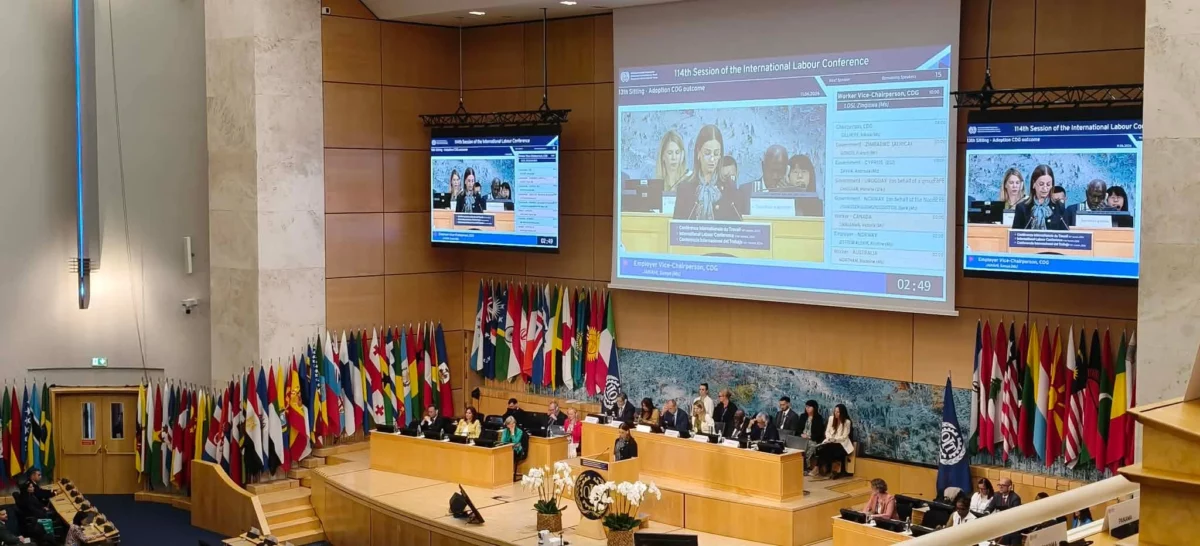
The appeal came after delegates at the 114th International Labour Conference in Geneva approved ILO Convention No. 193 on Decent Work in the Platform Economy, the first global treaty specifically designed to protect workers earning through digital platforms.
If adopted locally, the convention could benefit thousands of Filipino riders, delivery drivers, online freelancers, and other app-based workers by guaranteeing fair pay, social protection, workplace safety, and safeguards against arbitrary account suspensions.
It would also require greater transparency from digital platforms that use algorithms to assign work, evaluate performance, or deactivate workers.
"Technology should not outpace workers' rights," NAGKAISA said, stressing that people behind the apps "are human beings with dignity, not disposable data."
The coalition noted that neighboring countries such as Singapore and Malaysia have already enacted laws protecting gig workers, showing that innovation and labor rights can go hand in hand.
You may also like: Critics oppose moves that could delay BARMM polls
Beyond the gig economy, NAGKAISA also urged lawmakers to finally pass legislation implementing ILO Convention No. 151, which guarantees collective bargaining rights for public sector employees.
The group said millions of government workers—including teachers, nurses, clerks, social workers, and utility personnel—still lack comprehensive legal protections despite the Philippines ratifying the convention in 2017.
NAGKAISA likewise welcomed recommendations from the ILO's Committee on the Application of Standards, which urged the Philippines to investigate allegations of anti-union practices, strengthen collective bargaining rights, and ensure labor laws cover all workers.
For ordinary Filipinos, the coalition said the issue goes beyond international commitments.
"It is about ensuring that whether a person works in a government office or through a mobile app, every worker has a voice, protection, and dignity at work," it said.
With the future of work rapidly changing, NAGKAISA urged policymakers to act before Philippine labor laws fall further behind the realities faced by today's workforce.