By Peter John Villanueva, Contributor
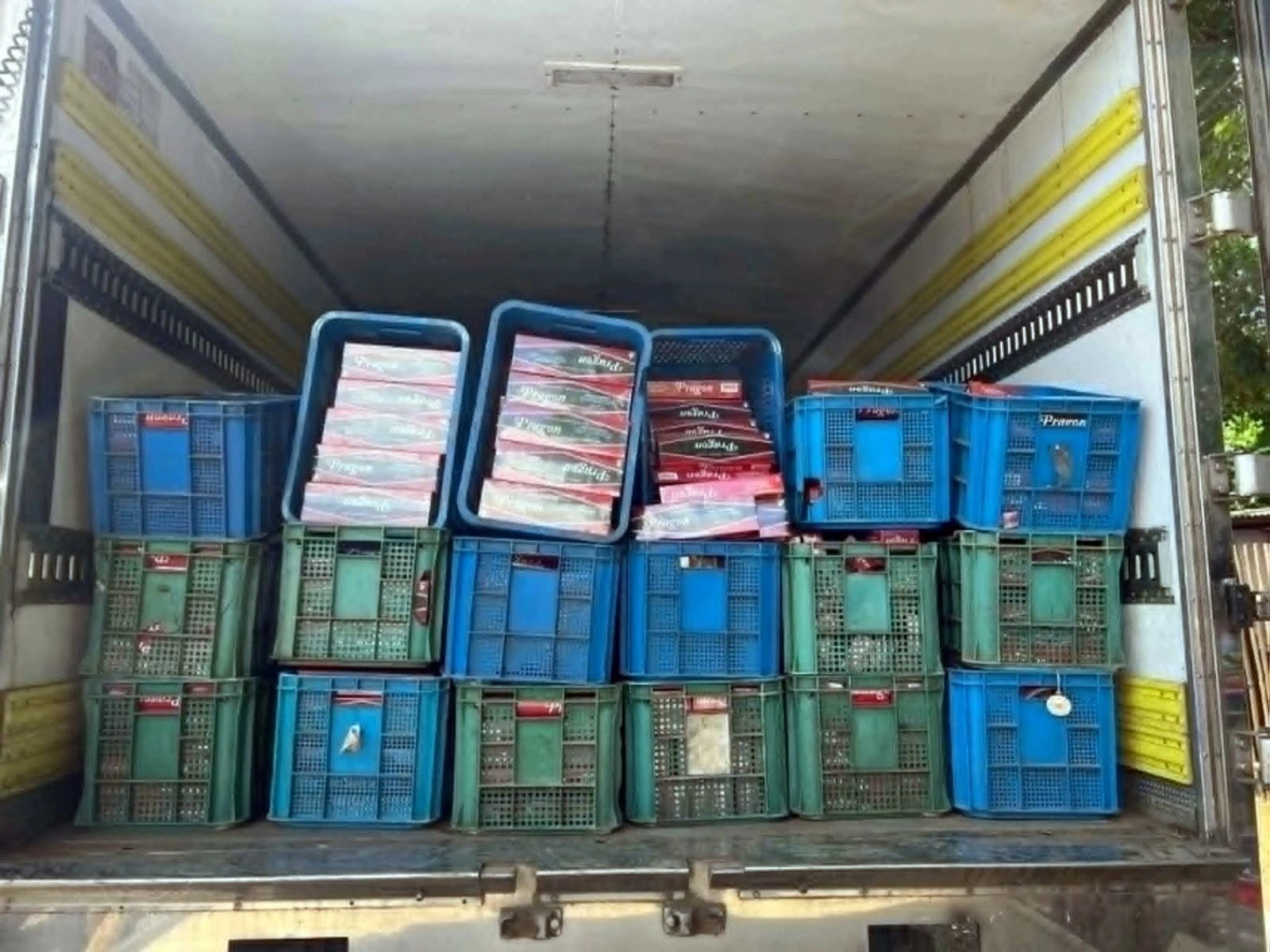
ZAMBOANGA CITY — A civic watchdog is sounding the alarm over the disposal of illicit cigarettes, urging authorities to ensure that millions of pesos worth of seized contraband are destroyed rather than “recycled” back into the market through corruption.
CitizenWatch Philippines warned that the premature or illicit release of these goods would not only undermine law enforcement efforts but also erode public trust.
Orlando Oxales, the group’s convenor, acknowledged the massive scale of recent anti-smuggling operations in Mindanao but emphasized that the job isn't finished until the goods are destroyed.
“We trust our police, our Navy, and our enforcement institutions to safeguard seized goods and ensure that these do not return to circulation,” Oxales said.
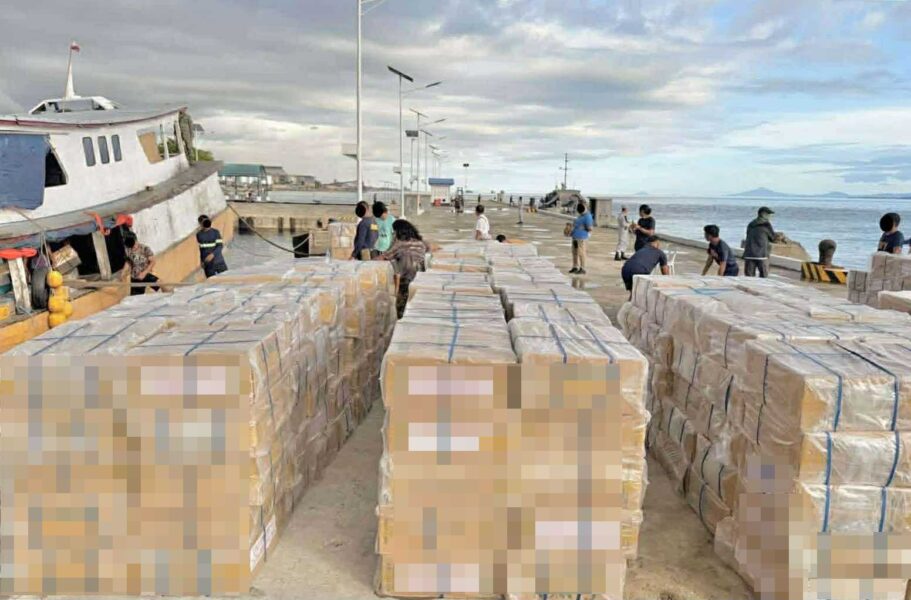
He pointes out that the credibility of enforcement hinges on what happens after a seizure.The Scale of the HaulIn December alone, the Philippine Navy intercepted four vessels — the M/L Adilyn, M/L ASB Express, M/B Mack Mack, and M/B Combination — during a series of maritime interdictions in Mindanao waters.
The combined haul totaled 7,090 master cases, or approximately 70.9 million cigarette sticks. With an estimated street price of P4 per stick, the seized goods carry a market value of P283 million.
This translates to roughly P267 million in foregone government revenues from excise and value-added taxes — funds that could have supported essential public services, including healthcare.
CitizenWatch noted that due to intensified enforcement, Customs authorities in Zamboanga are currently holding an estimated 56,000 master cases of illicit cigarettes. This figure represents cumulative seizures for 2025, including the most recent interdictions.
“This volume reflects how serious and organized the smuggling problem is,” Oxales said, adding that post-seizure safeguards are just as critical as interdictions at sea.
Rumors of Corruption
The call for vigilance comes amid disturbing reports from the region. Sources suggest that certain personalities have been contacting law enforcement agencies to negotiate the release of seized shipments.
Reports indicate that instructions were allegedly issued to release seized master cases for a fixed amount of P10,000 per case, alongside directives to limit anti-smuggling operations in Region 11 (Port of Davao).
Oxales said these reports highlight the urgent need to shield frontline enforcers from undue pressure and to ensure that procedures are followed strictly and transparently.
He appealed directly to Customs Chief Ariel F. Nepomuceno to guarantee that all goods under Customs custody are protected and disposed of lawfully.
“We believe Commissioner Nepomuceno’s commitment to reform, transparency, and institutional integrity is crucial at this moment,” Oxales said. “Clear leadership from the top will reassure both enforcers and the public that seized illicit goods will not find their way back into our communities.”
The Human Cost
Oxales emphasized that this issue goes beyond enforcement statistics. He pointed out that taxes lost to illicit trade directly deprive the public of essential services.
“Every shipment of illicit cigarettes represents hospital beds that were never built, medicines that were never purchased, and health services that were never delivered,” he said.
“Keeping these products out of circulation is also about protecting our youth from cheap, unregulated products that undermine years of public health progress.”
Safeguarding seized goods, Oxales added, ensures that enforcement efforts translate into lasting public benefit — strengthening institutions, preserving revenues, and keeping dangerous products away from Filipino families.