Schools only opened this month, but June has already brought tragedy to students in the Philippines.
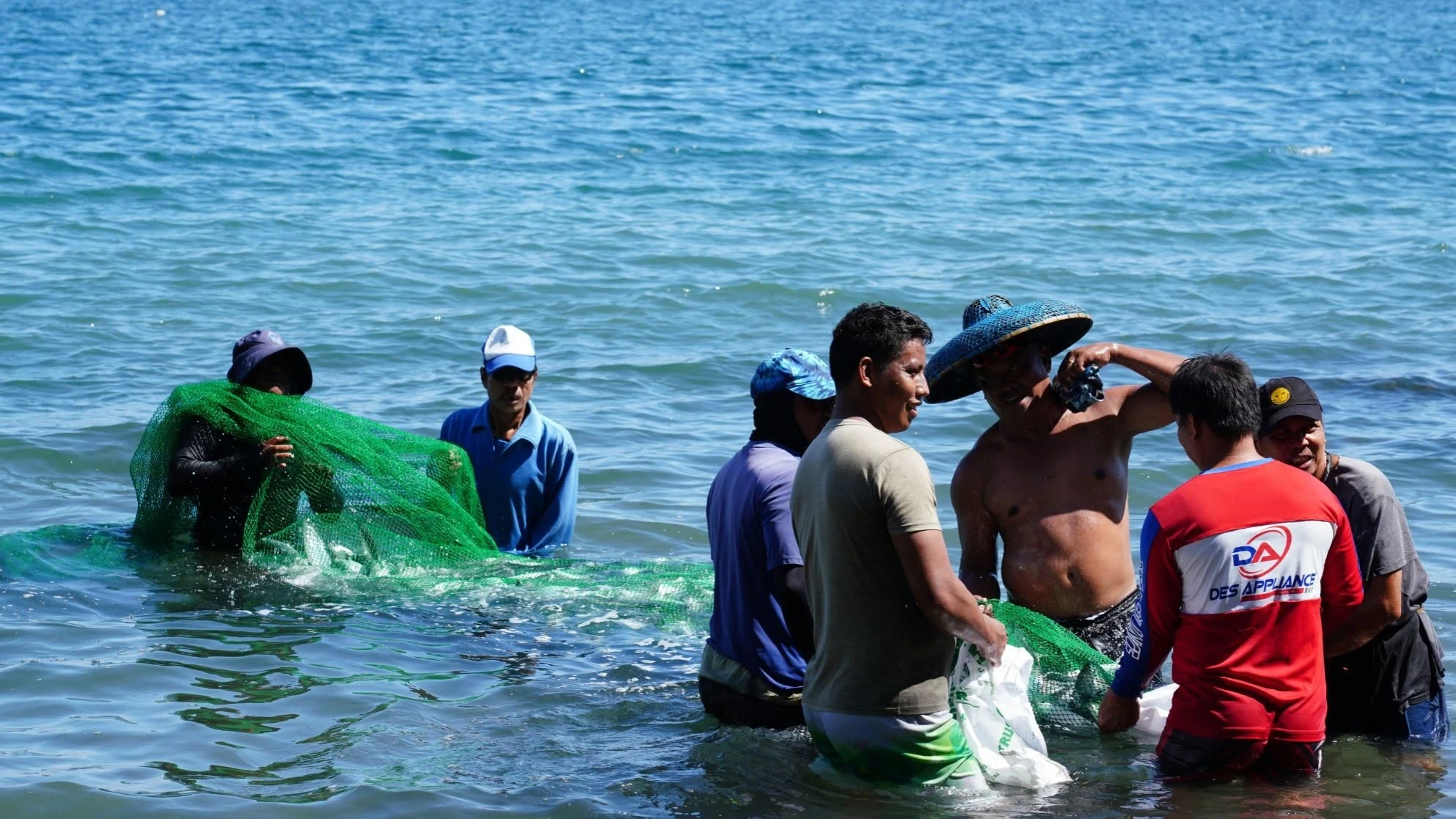
On June 8, 2026, Rene Baterbonia and Divine Adili drowned during Ateneo de Manila University’s (ADMU’s) men’s basketball team-building, er, “team-killing” activity in Dipaculao, Aurora.
On June 16, 2026, a 14-year-old female Grade 8 student stabbed and injured seven Grade 5 students with a kitchen knife at Bethel Academy of Gen. Trias Cavite Inc. in General Trias City, Cavite. Most of the stab wounds were on their backs, and two victims required surgery.
On June 19, 2026, another stabbing occurred, this time involving a Grade 11 student at Cavite National High School in Cavite City. The victim was his fellow Grade 11 student, an 18-year-old male, who sustained five stab wounds.
On June 22, 2026, a mass shooting occurred at San Jose National High School in the San Jose District, Tacloban City, Leyte. The perpetrators were two Grade 9 male students, aged 14 and 15, who entered a Grade 9 classroom and opened fire. Three students, aged 16 and 17, were killed—two died instantly, while the third died en route to the hospital. Thirteen more were wounded. Read: Beyond police: Parents key to safe schools
Forty empty shell casings were found at the crime scene. The firearms used were a 9-mm Glock pistol registered to a female police officer of the Eastern Visayas Police Regional Office and a .38-caliber revolver owned by a security agency in Cebu City.
And the three other incidents happened before Baterbonia could be buried.
This could be a ripple effect of ADMU’s drowning tragedy, or even the flood control scams, Vice President Sara Duterte’s impeachment case, and the Senate presidency’s volatility. While the government is too busy trying to make it appear that it’s doing something to correct its wrongs, academic institutions and students may feel emboldened to do whatever they want, even if it kills or harms people, hoping no one will notice.
That’s five students killed within two weeks. Five futures cut short due to major lapses in security and safety measures.
Command responsibility goes beyond the classroom, school, and university—it extends all the way to Malacañang.
With the young Pinoy having access to all kinds of information through social media, he sees videos of a mumbling and easily distracted PBBM. The videos could be AI-generated or real, but who has time to discern what’s fake and what’s real with all the content to be processed in one day?
During President Ferdinand E. Marcos Sr.’s term from 1965 to 1986, he began controlling mainstream media when he declared martial law on September 21, 1972. That tight rein over media effectively ended on February 25, 1986, during the EDSA People Power Revolution. That’s about 13 years of heavily restricted press freedom.
These days, the Pinoy has to check the news through legitimate media websites, otherwise he risks spreading rumors and unverified reports, unnecessarily alarming his social media friends.
Which is better, controlled media or press freedom? The latter, of course. But content creators and vloggers have entered the picture without journalism training or even workshops on responsible reporting.
The young Pinoy is exposed to all that data the moment he uses his mobile phone. He sees PBBM, the son of Marcos Senior, along with senators, representatives, governors, mayors, and other government officials, plus the alleged graft and corruption that has marred their terms. That’s where command responsibility goes awry. So who’s responsible now?