IN response to the Supreme Court ruling that declared the deferral of the December 5, 2022, Barangay and Sangguniang Kabataan (SK) elections to October 30, 2023, as unconstitutional, Cagayan de Oro City 2nd District Rep. Rufus Rodriguez has proposed an amendment to the Local Government Code.
This amendment, contained in Bill No. 7123, seeks to extend the term of office for Barangay and SK officials from three years to five years.
"Congress does not intervene, but has the plenary power to pass laws, which we are doing for the amendment of the term of barangay officials," said Rodriguez.

Rodriguez argues that the current three-year term is insufficient for implementing and realizing the effects of local programs.
He also thinks that extending the elections would make the Barangay leaders more stable, reduce conflicts about the elections among the people, and make sure that the officials elected in October this year don't face any problems because of the Supreme Court's decision.
“Let’s give all of those to be voted this year and succeeding elections a uniform term of office of five years, instead of those to be voted in October having a two-year tenure and those to be elected in 2025 enjoying three years,” he said.
He said barangay and SK officers who would win in the Oct. 30 election should not suffer from the decision of Congress to postpone the Dec. 5 polls, which decision the Supreme Court reversed by declaring RA No. 11935 as unconstitutional.
“Let us correct our error by fixing a five-year term of office for all grassroots officers to be elected beginning in October. I urge the committee on local government to support my proposal,” he added.
The committee has not held a hearing since Rodriguez filed Bill 7123 in February.
The measure would amend Section 43 of the Local Government Code, under which barangay and SK officials enjoy a tenure of three years and a three-consecutive term limit.
The bill maintains the term limit.
In suggesting a longer tenure, Rodriguez said the three-year term “is too short a time for the unity and stability in barangay leadership and affairs.”
“It is not enough to ensure that the programs of the barangay are carried out properly, especially considering the fact that it cannot be denied that the last year of the term is basically used for campaigning,” he said.
He said the extended term “would ensure more stability in the barangay level and ensure that the programs initiated by the current leaders would come to fruition.”
“It is common knowledge that elections, whether national, local, or barangay, prove to be divisive among the populace. Candidates and their supporters try to destroy their opponents by using any means necessary just to be able to secure victory,” he stressed.
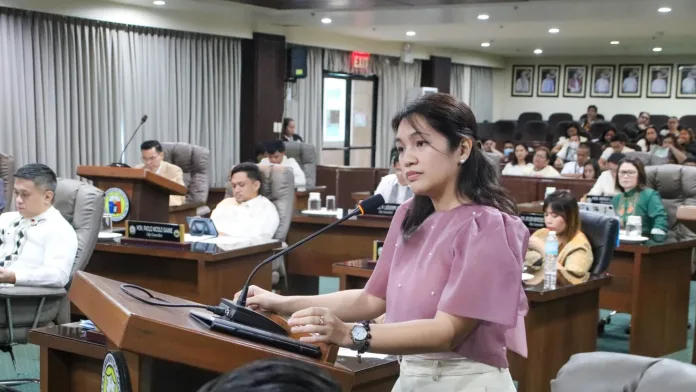
However, Councilor Yan Lam Lim has expressed concern over the Supreme Court's ruling, noting that it could lead to a shortening of the terms of office for the winners of the October 2023 elections.
Lim, who is also the president of the Association of Barangay Captains since 2016, points out that frequent elections are costly and can have a significant economic impact.
He suggests that Congress should establish clear guidelines on the schedule of Barangay and SK elections.
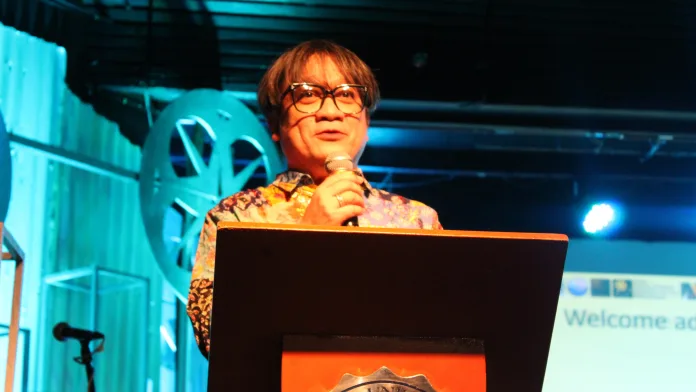
Meanwhile, Lawyer Beverly Selim-Musni, a former NLRC arbiter, reminds us that while Congress has the power to pass laws, it cannot directly amend or overturn a Supreme Court ruling.
Congress can, however, pass new legislation that may influence the interpretation of the law in future cases.
"This is in line with the principle of separation of powers in the Philippine government," said Musni
However, Congress does have the power to pass new legislation that can potentially impact or modify the legal principles established by a Supreme Court ruling.
If Congress believes that a Supreme Court decision is flawed or needs to be clarified, it can pass a new law that addresses the issue or provides different legal provisions.
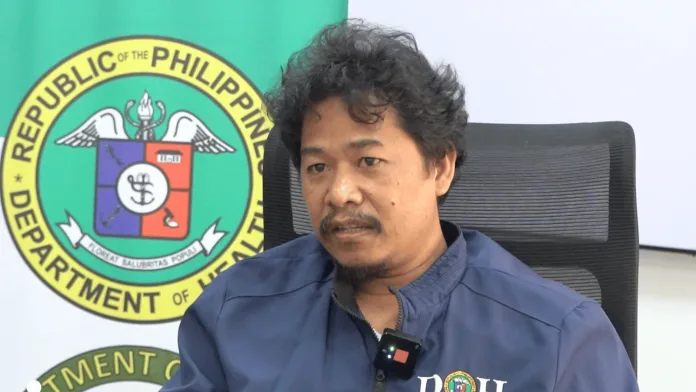
In the midst of these discussions, Pat Pangantihon from a climate advocacy NGO raises questions about the country's rule of law, implying a possible link between citizens' disregard for simple laws and their understanding of the Constitution.