JUST one month and four days after it opened, Kagay-anons and visitors were urged to preserve and avoid ‘polluting’ the Rio de Oro Boulevard which City Hall is promoting as a ‘wellness and family friendly’ site.
“We’re asking the public, particularly the motorists for understanding since the boulevard (is off-limits) to vehicular traffic. Only cyclists (regular bicycle and e-bike riders) are allowed to pass through…and we’re also asking those using the boulevard to care for it as you would care for your own home. Let’s not pollute it, let’s not abuse it because the boulevard’s primary purpose is flood control,” said Atty. Edgardo Uy, chairman of the Rio de Oro Boulevard technical working group.
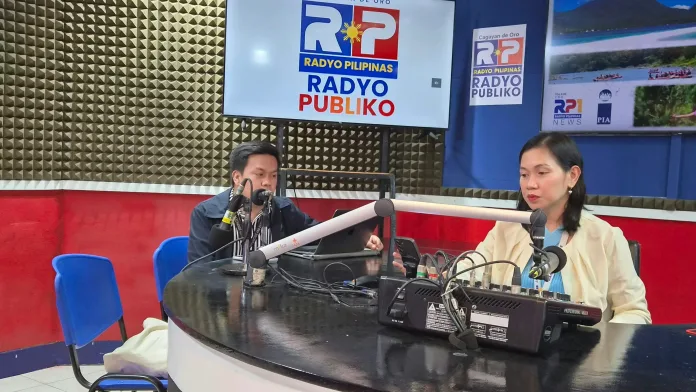
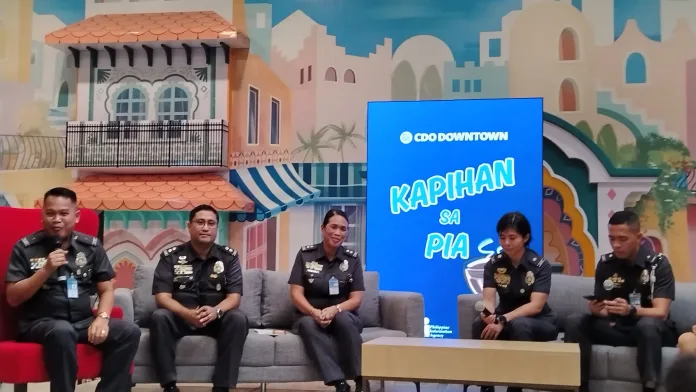
During Monday’s press briefing hosted by the City Information Office, Atty. Uy said the two-lane, 2.3-kilometer boulevard forms part of Phase II of the Cagayan de Oro River Flood Risk Management Project funded by the Japan International Cooperation Agency (JICA).
“The boulevard was included in the project so let’s take care of the boulevard like our own home. Let’s not pollute it,” Uy said in Visayan.
As such, Uy said those passing through the boulevard including pet owners were reminded to clean up after themselves.
In a three-page order issuing the guidelines on the boulevard’s use that Mayor Rolando Uy approved, the boulevard is classified as a ‘flood-resiliency structure’ that is also a ‘family-friendly open space’ to promote ‘mobility, tourism, and recreation.’
Trash bins are also being set up in strategic locations throughout the entire stretch of the boulevard for the public. Uy said those living on the river side of the boulevard will have to move out for their own safety.
“Rivers are (no build area) danger zones and that’s why a flood control structure was set up there because that site is flood-prone,” Uy said.
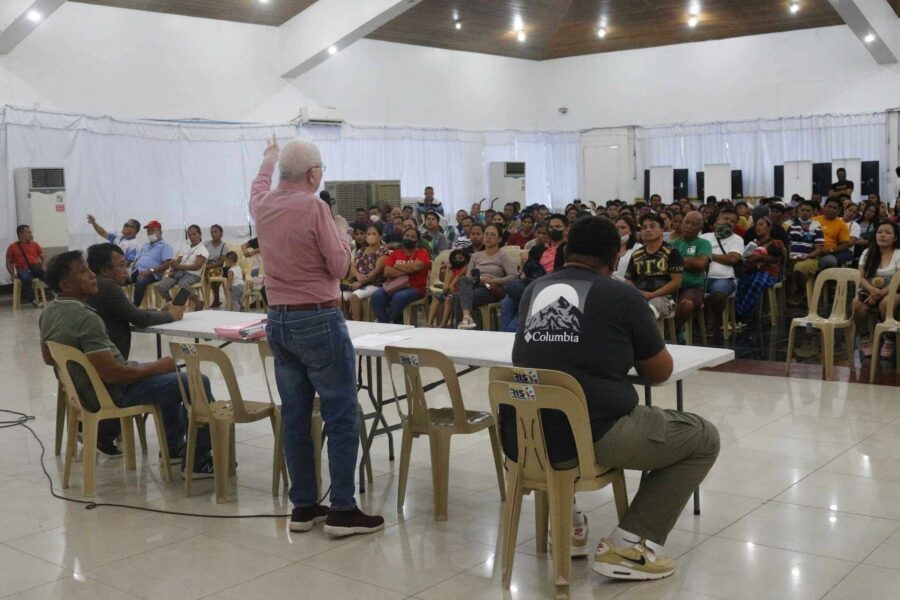
The technical working group had a dialogue last Tuesday with 100 residents of Barangay Puntod and Consolacion living on the river side of the boulevard, most or all of whom were issued notices by the City Housing and Urban Development Department (Chudd) and Office of the Building Official (OBO). The residents were relocated to one of the city’s relocation sites.
In their response, the residents reasoned that they found it difficult to sustain their livelihood at the relocation site.
“A lot of those living in the river side of the boulevard have houses in other areas and they work in quarries. They were profiled by Chudd and they were those that will be relocated and those that were relocated but still insisted on staying at the river so we’re working with the barangay (to solve this),” Uy said.
Uy said what’s important is to keep the residents out of the danger zone.
“Those living at the riverside should not stay there because it’s illegal and unsafe for them to do so. Hence why we have the dialogue to explain their situation to them,” he said. (Stephen Capillas with a report by Annabelle Ricalde of City Information Office)