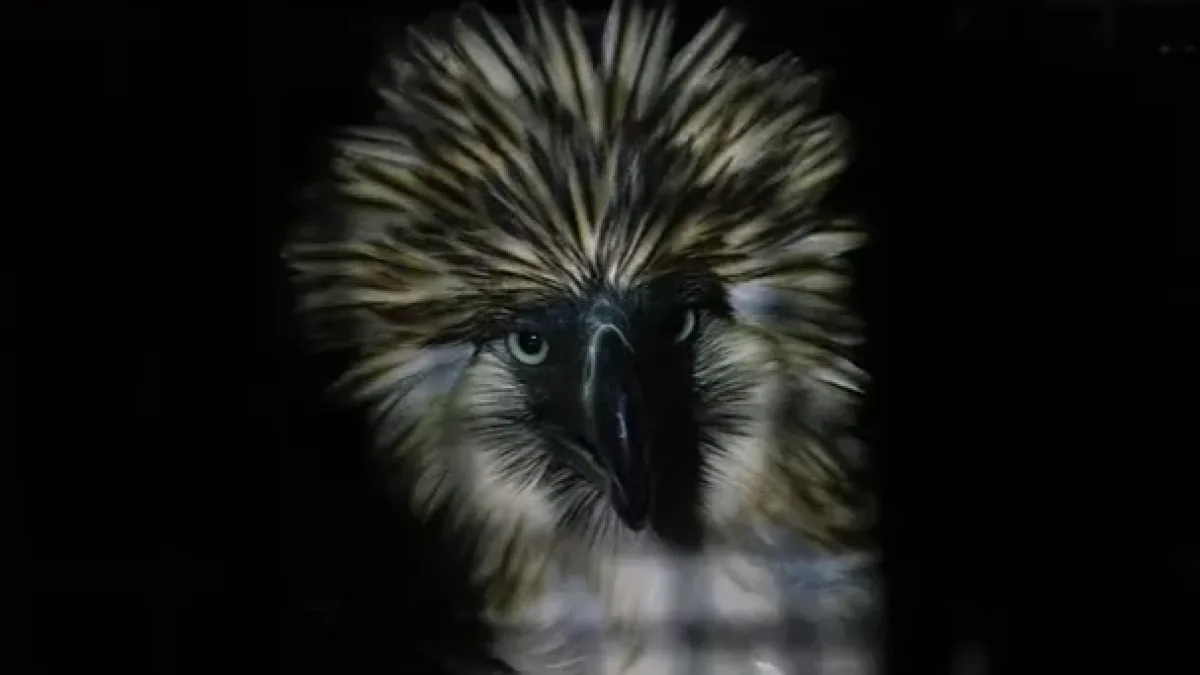
CAGAYAN DE ORO CITY — A severe bacterial infection caused the death of critically endangered Philippine eagle “Sawaga-Dalwangan,” laboratory tests confirmed, according to the Philippine Eagle Foundation (PEF).
The eagle died on July 18, after being rescued in Dalwangan, Malaybalay City, Bukidnon, on July 3 and undergoing intensive medical treatment.
Histopathological tests conducted by the Central Mindanao University College of Veterinary Medicine found extensive damage and inflammation in the eagle’s liver, heart and spleen, confirming septicemia, or a widespread bacterial infection in the bloodstream.
Veterinarians said the infection likely began weeks before Sawaga-Dalwangan was rescued.
Although the eagle initially showed signs of recovery, her condition was complicated by airgun pellet injuries, dehydration and maggot infestation, which weakened her body and left her vulnerable to the infection.
The infection eventually triggered severe seizures that led to her death, the PEF said.
“We are sharing these findings because Sawaga-Dalwangan’s story deserves an ending based on scientific evidence,” the foundation said.
The eagle’s death has also prompted renewed efforts to protect Philippine eagles and their remaining forest habitat.
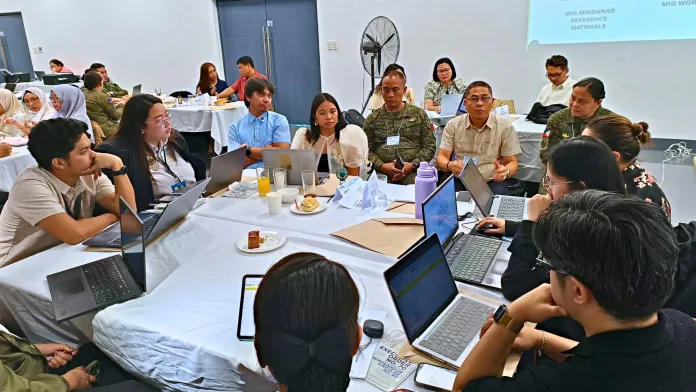
On Aug. 10 and 11, members of the Daraghuyan Tribal Council, custodians of Sawaga-Dalwangan’s ancestral nesting territory in Bukidnon, traveled to Davao with the Kitanglad NGO for a conservation exchange with the PEF and the Obu Manuvu Community of Tambobong.
Supported by conservation advocate Carl E. Balita, the groups explored ways to build an intergenerational, community-led network to protect Philippine eagle nesting sites and forest habitats.
The initiative aims to train Indigenous stewards to monitor active nesting pairs and help safeguard remaining eagle habitats across Mindanao’s ancestral domains.
For conservation groups and local communities, the loss of Sawaga-Dalwangan is a reminder that protecting the Philippine eagle requires not only rescue and medical care, but also stronger protection of the forests where the critically endangered species lives and breeds.