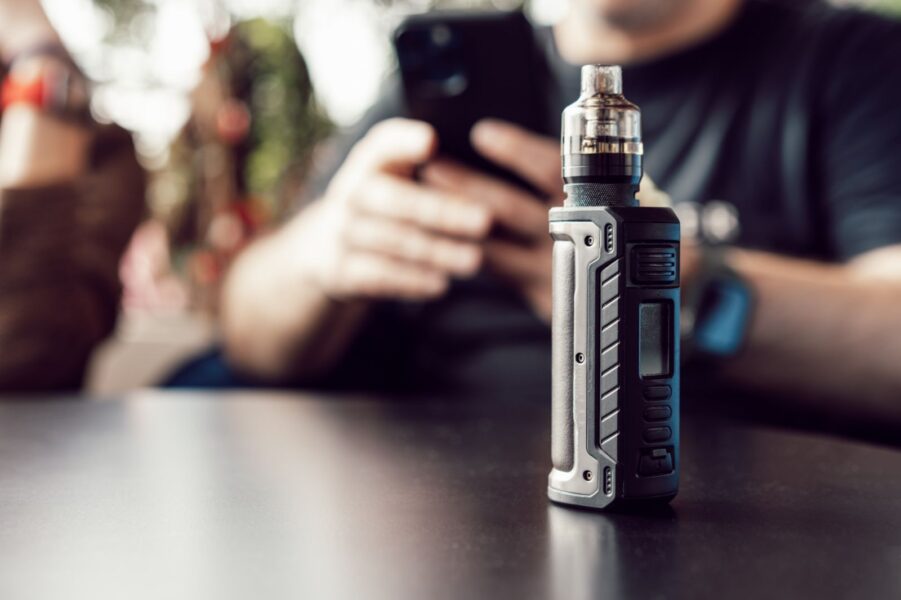
Illicit cigarette and vape consumption is rising fastest in Mindanao and among young Filipinos, according to a nationwide consumer study conducted by CARMA, a global media intelligence and market insights firm that monitors consumer behavior, illicit trade trends, and public sentiment across Asia.
Surveying over 1,100 cigarette and vape users across the country, a sample size representative of the broader Philippine consumer population, CARMA found that illegal products have become widely accessible and increasingly normalized, driven by extremely low prices, weak enforcement, and rising exposure among the youth.
Mindanao Tops Illicit Consumption
The study revealed that 72% of smokers in both North and South Mindanao admitted to purchasing illicit cigarettes, marking the highest rate of illicit use nationwide. Awareness is also widespread, as 84% of smokers in South Mindanao acknowledged the presence of illegal tobacco in their communities.
Despite knowing the risks, illicit buying continues. CARMA found that 83% of respondents who knew previous buyers said those individuals still purchase illicit cigarettes today.
Young Adults Face Highest Exposure
The 19–24 age group registered the highest illicit cigarette purchasing rate at 59%. Vaping figures were even more concerning: in South Mindanao, vapes ranked as the second most consumed nicotine product, with 58% of respondents using vape devices and 61% doing so daily.
The CARMA study noted that the affordability and availability of illegal vape products, often sold online and in informal stores, make them particularly attractive to younger consumers.
Price is the Strongest Driver
Prices for illicit cigarettes in Mindanao were found to be as low as ₱2 per stick or ₱40 per pack, an enormous gap compared to the ₱120–₱130 legal price of tax-paid brands. In South Mindanao, CARMA estimates that nearly half (49%) of all cigarettes purchased are illicit.
Illicit products are also purchased across all income brackets, though the poorest households showed the highest tendency to buy them. Respondents cited affordability and easy access as the primary reasons behind their choices.
Health Concerns vs. Behavior
Respondents said they identify illicit products through low prices and pack quality, yet continue buying them due to budget constraints. When illegal products are unavailable, 76% switch to legal brands—a sign that removing the availability of illicit cigarettes is key to shifting consumers away from fake products.
Health messaging remains the most effective deterrent, with 70% of South Mindanao respondents saying stronger health warnings would prompt them to avoid illicit products.
Davao Officials Intensify Action
The CARMA findings echo concerns raised in Davao City, where the local government has launched inquiries into the proliferation of illicit vape products.
City Councilor Rachel Zozobrado called the influx of illicit products “a slap to our legacy as the pioneer of strict anti-smoking governance,” warning that cheap, dangerous vapes are undermining years of tobacco control progress.
During an October joint committee hearing, Davao’s Committee on Trade and Industry pressed national agencies for stronger enforcement and better data-sharing to curb illegal sales.
National leaders have also joined the call. Senator Win Gatchalian recently criticized the “very low” conviction rates for smuggling, while then Finance Secretary Ralph Recto stressed the need to “properly calibrate” excise policies to prevent incentivizing illicit trade.