CAMIGUIN — For families struggling with rising food costs, cheaper rice can mean more money left for other daily needs.
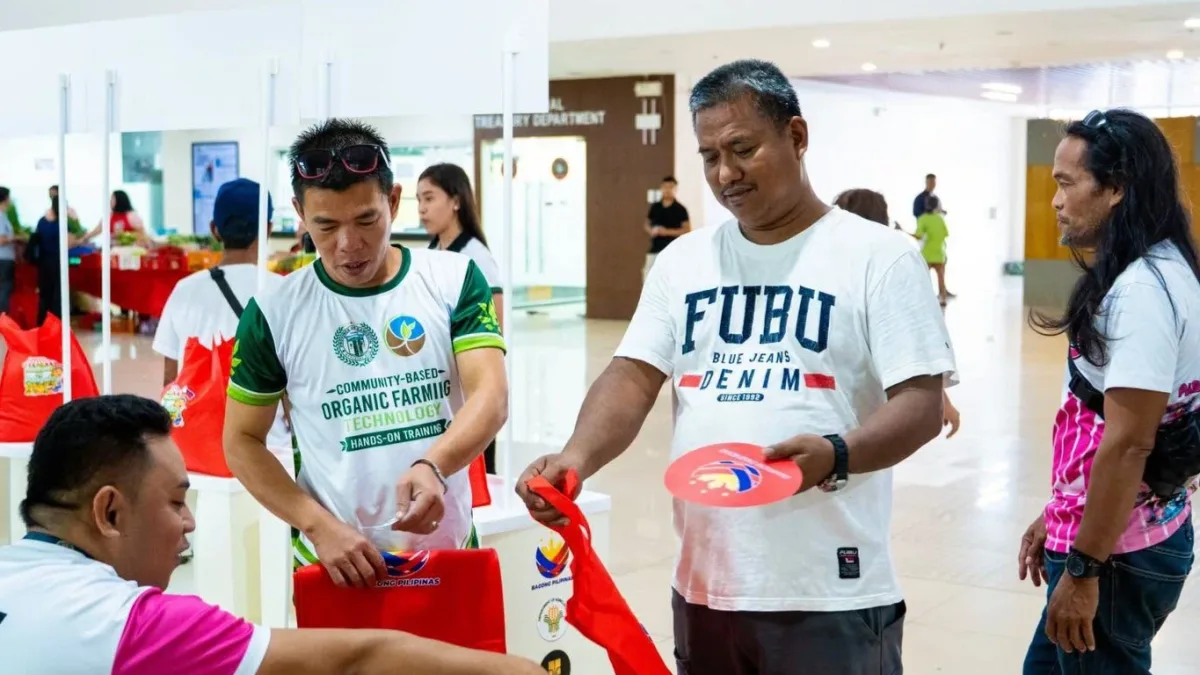
About 500 Camiguin residents from different sectors bought rice at ₱20 per kilogram during the rollout of the expanded Benteng Bigas Meron (BBM) Na! program at the Provincial Capitol on July 31.
The provincial government implemented the rollout with the Department of Agriculture (DA) and Food Terminal Inc. (FTI) to give qualified residents access to subsidized rice.
Under the program, registered beneficiaries can buy up to 30 kilograms of rice per month at ₱20 per kilogram.
Beneficiaries also completed digital registration, which authorities said will make succeeding purchases faster and more convenient.
Those who availed of the program included senior citizens, solo parents, persons with disabilities, 4Ps members, farmers, fisherfolk, transport drivers, minimum-wage earners, and Department of Education teaching and non-teaching personnel.
DA Assistant Secretary for Agribusiness, Marketing and Consumer Affairs Genevieve Velicaria-Guevarra and FTI Vice President for Corporate Affairs Oliver Dicdican joined the rollout.
More affordable rice every month
Camiguin Gov. Xavier Jesus Romualdo said the program will continue to provide qualified residents with access to lower-priced rice.
“500 ka mga benepisyaryo nato ang nakapalit og bugas nga 20 pesos lamang,” Romualdo said, adding that digital registration will help make future transactions faster.
The provincial government plans to continue the monthly sale of ₱20-per-kilogram rice to registered beneficiaries.
For farmer Chonita Abug, the cheaper rice is particularly helpful to farming families who have to stretch their income amid higher prices of basic goods.
“Ang benteng bugas dako gyud og ikatabang namong mga farmers tungod sa ka mahal sa palaliton karon,” Abug said.
She thanked the national and provincial officials for bringing the program to Camiguin.
Relief for household budgets
The expanded program gives qualified residents another way to reduce one of their biggest regular household expenses: food.
With beneficiaries allowed to purchase up to 30 kilograms monthly, the subsidy could help families manage their budgets while prices of other necessities remain a concern.
The provincial government said registered beneficiaries will continue to receive the monthly allocation under the BBM Na! program. (Ben Balce, Editorial Lead)