NATIONAL Commission on Indigenous People (NCIP) -10 and the Army’s 4th Infantry Division on Wednesday cited the government's End Local Communist Armed Conflict (ELCAC) program, saying it was on track to eradicate the New People’s Army’s influence over the Indigenous People in two regions in Mindanao.
They even said the NPA’s influence and strength in the Caraga region and northern Mindanao has been reduced due to its intensified anti-insurgency campaign since 2018.“The clout that the NPA has with the IPs is slowly diminishing due to the ELCAC program that the government is pursuing now,” said NCIP-10 lawyer Dexter Precioso.
4ID public affairs chief Major Rodulfo Cordero said the influence of the Communist Party of the Philippines and its armed wing, the NPA rebels has weakened since 2018 when President Duterte signed Executive Order 70 (EO 70). “NPA influence on IPs weakened because all government agencies are working together to address the root causes of conflict,” said Cordero. Cordero also said the P20 million ELCAC budget per CPP-NPA cleared barangays in 4ID’s area of responsibilities are for implementation this 2021. “The government ensures that its implementation is corruption free,” said Cordero.Precioso over “Talakayan sa PIA: ELCAC Series,” said with the implementation of Executive Order No. 70 or (ELCAC), the indigenous people community is now being armed with the knowledge.
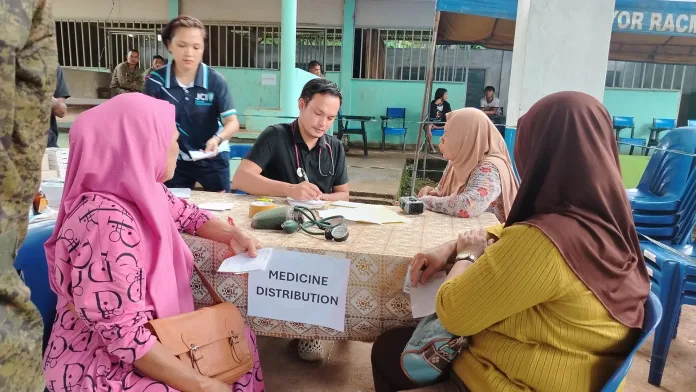
“The government is doing its best to serve its people and the far-flung communities,” said Precioso. Being part of the ELCAC, he said the NCIP is now implementing strategies of how they can present everything that the government is doing for the IP community. “The IPs are well informed of the government projects and programs,” said Precioso through ELCAC. The NCIP led by Chairperson Allen Capuyan together with various government agencies has already conducted 14-day visits to ancestral domains. The activity aimed to answer inquiries and issues that are being experienced by the IP community, according to Precioso. He said that before this whole-of-nation approach, the government was not as aggressive in informing them (the IPs) of its accomplishments, programs and projects. They [IPs] do not know especially those in the far-flung areas that the government is implementing certain programs such as free legal services from the Public Attorney’s Office,” he said. The NCIP is now also strengthening the IP governance since within the ancestral domain, there is an indigenous political structure, which is considered as the highest governance of the place. This aims to equip the IPs with the needed knowledge and information to govern their domains, Precioso said. “We now make sure that the efforts of the government are visible to the people,” said Precioso adding that the government exists and the government cares for the people. (Ben Balce with reports from JAKA/PIA10)