ONLY by adding more modern public utility vehicles (PUVs) to service Cagayan de Oro City’s 78 public routes can City Hall hope to reduce the riding public’s need for tri-cabs or baos, the city’s traffic czar said.
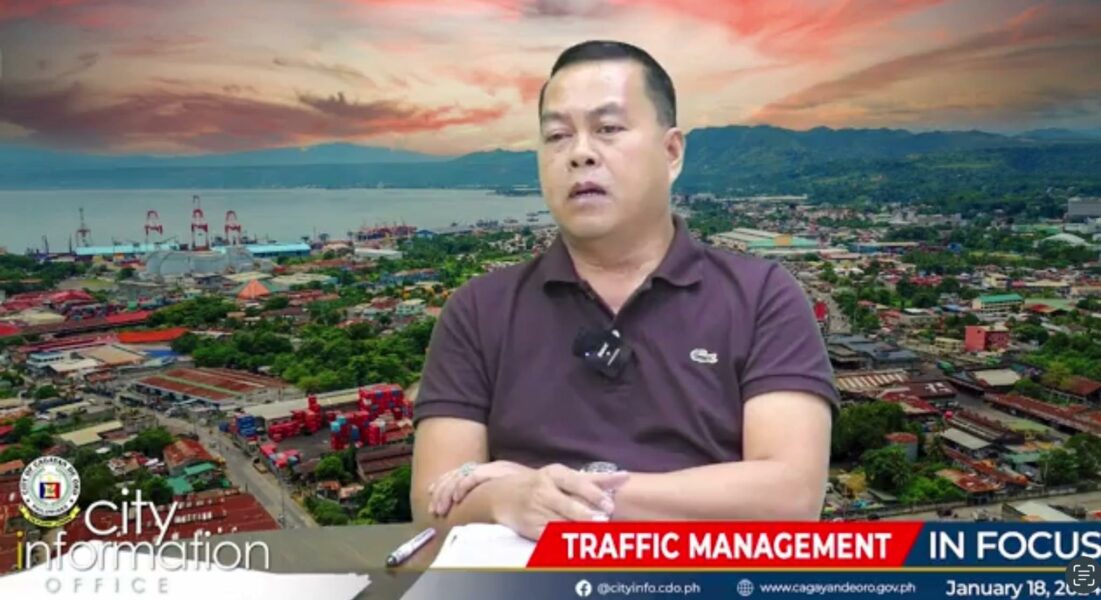
During the program ‘Department in Focus’ hosted by the City Information Office, Roads and Traffic Administration (RTA) chief Engr. Nonito Oclarit said the full implementation of the fleet management system as operated by the city’s accredited transport cooperatives will cover the riding public’s need for mass transport on a 24/7 basis.
The fleet management system is one of the requirements stated in the city’s Local Public Transport Route Plan (LPTRP).
“One of the solutions that we saw to slowly reduce the need for bao-baos is the full implementation of the LPTRP in which only the modern public utility vehicles are allowed to ply their routes,” Oclarit said in Visayan.
While unable to provide data on the number of bao-baos operating in the city, Oclarit said the bao-baos proliferated in areas like Barangays Tablon, Bugo, and Cugman because only a few PUVs are plying the city’s routes at night.
Councilor James Judith II previously proposed the amendment of the city’s Traffic Code to allow the bao-baos to pass through the national highways provided these vehicles are used in a private capacity and not as passenger vehicles.
The proposal was referred anew to the City Council’s public utilities committee for review.
Mayor Rolando Uy told local media in a press briefing that he would defer the issue to the 20th City Council for assessment and resolution.
The mayor said the complaints by PUV and taxi operators concerning the continued operation of bao-baos cannot be ignored.
Oclarit said the PUVs including passenger jeepneys refused to operate late at night for this reason.
“They (modern PUVs, jeepneys, and taxi operators) told us during consultations that they refuse to ply the routes late at night because the bao-baos corner most of the passengers. And the bao-bao operators (including those from other towns) are only too willing to fetch these passengers),” Oclarit said in Visayan.
Oclarit also said the memorandum circular issued by the Land Transportation Franchising and Regulatory Board (LTFRB) is very clear in prohibiting bao-baos or any three-wheeled vehicle from the national highways whether they be used in a private or commercial capacity.
“They can pass through local roads but not national roads,” he said in Visayan.
The city’s LPTRP was approved by the City Council early this year.
“Right now (we have 55 out of the 78 identified routes serviced by PUVs) and we are optimistic that slowly as more operators come in, we will be able to fully service the 78 routes (and eliminate the need) for bao-baos),” Oclarit said in Visayan. (Stephen Capillas of City Information Office)