CAGAYAN de Oro City — The Philippine National Police Anti-Cybercrime Unit in Northern Mindanao is coordinating with Cagayan de Oro City Hall to trace online accounts allegedly used to attack Mayor Rolando “Klarex” Uy and spread what city officials describe as false information.
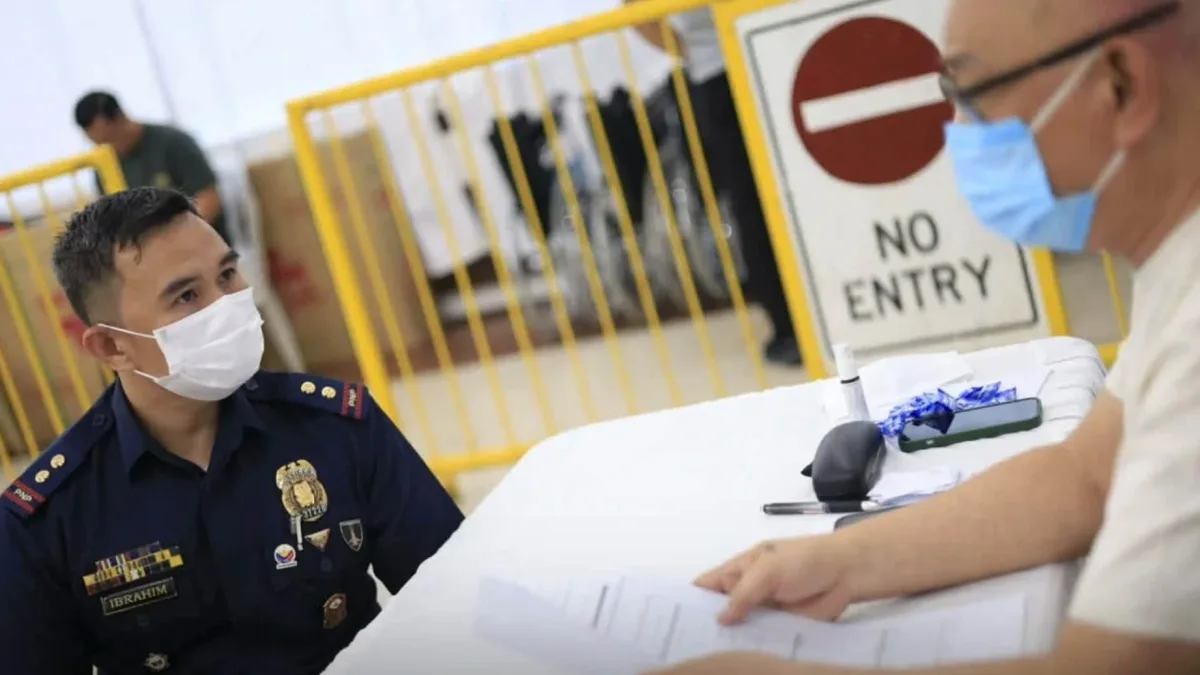
Police Captain Alkhaizer Ibrahim, chief of the PNP Anti-Cybercrime Unit’s Digital Forensics Division, met with Uy after personnel from the City Mayor’s Office and City Information Office sought assistance over the alleged online attacks.
Ibrahim assured the city government of stronger coordination to identify and investigate those behind the accounts, according to City Hall.
City Information Officer Jade Adeser and CMO Public Relations Head Aralicia Bolisig also joined the meeting.
City Hall said authorities are monitoring alleged fake profiles, pages and other online accounts, including digital information that may help identify their operators.
However, the City Information Office and City Hall did not identify or name the specific Facebook accounts or pages allegedly involved.
No particular account or individual was publicly identified in the information provided by the city government as being responsible for the alleged attacks.
Criticism is not automatically a cybercrime
The incident also raises a broader question: when does an online post cross the line from criticism into a punishable offense?
The 1987 Constitution protects freedom of speech, expression and the press.
This protection is particularly important when public officials and public affairs are being discussed.
Being a public official does not make a mayor immune from criticism.
The Supreme Court has repeatedly recognized the importance of protecting discussion involving public officials and the performance of their duties.
In criminal libel cases involving statements concerning public officials' official conduct, jurisprudence recognizes the requirement of actual malice—that the statement was made with knowledge of its falsity or with reckless disregard for whether it was false.
Thus, criticism of Uy, City Hall policies or the mayor's performance of official duties is not automatically libel or cybercrime simply because it is harsh, embarrassing or unfavorable.
At the same time, freedom of expression is not an unlimited license to make defamatory statements. If the elements of cyber libel or another offense are established, existing laws may apply.
What does the cybercrime law cover?
Republic Act No. 10175, or the Cybercrime Prevention Act of 2012, recognizes libel committed through a computer system under Section 4(c)(4), in relation to Articles 353 and 355 of the Revised Penal Code.
Importantly, RA 10175 does not impose a blanket ₱200,000 to ₱1 million penalty simply for operating a “fake page” or posting misinformation. The applicable penalty depends on the specific offense and circumstances established in a case.
Likewise, an account being described as “fake” does not by itself establish who operates it or prove that a crime has been committed.
What about people who share posts?
Sharing or reposting an allegedly harmful post can increase its reach, but that does not mean every person who shares content is automatically criminally liable.
Liability depends on the person's specific conduct and whether the legal elements of a particular offense are present. Authorities must still establish the relevant facts and, where necessary, the identity of the person behind an account.
Evidence matters
For residents who encounter allegedly defamatory or harmful posts, preserving screenshots, links, dates, account names and other relevant information may help authorities investigate.
But an online allegation, a fake profile or a city government's suspicion is not the same as proof of criminal liability.
In the Cagayan de Oro case, the PNP's role is to investigate and determine whether a crime was committed and, if so, who may be responsible.
For public officials, accountability includes the right of the public to scrutinize their actions.
For those posting online, accountability also means that criticism must be distinguished from conduct that the law actually prohibits.
Ultimately, responsibility should be determined through evidence, the specific law involved and due process—not simply because an online post is offensive, unpopular or critical of a public official.